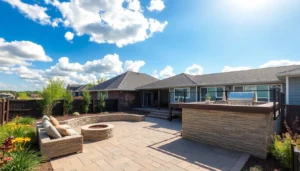

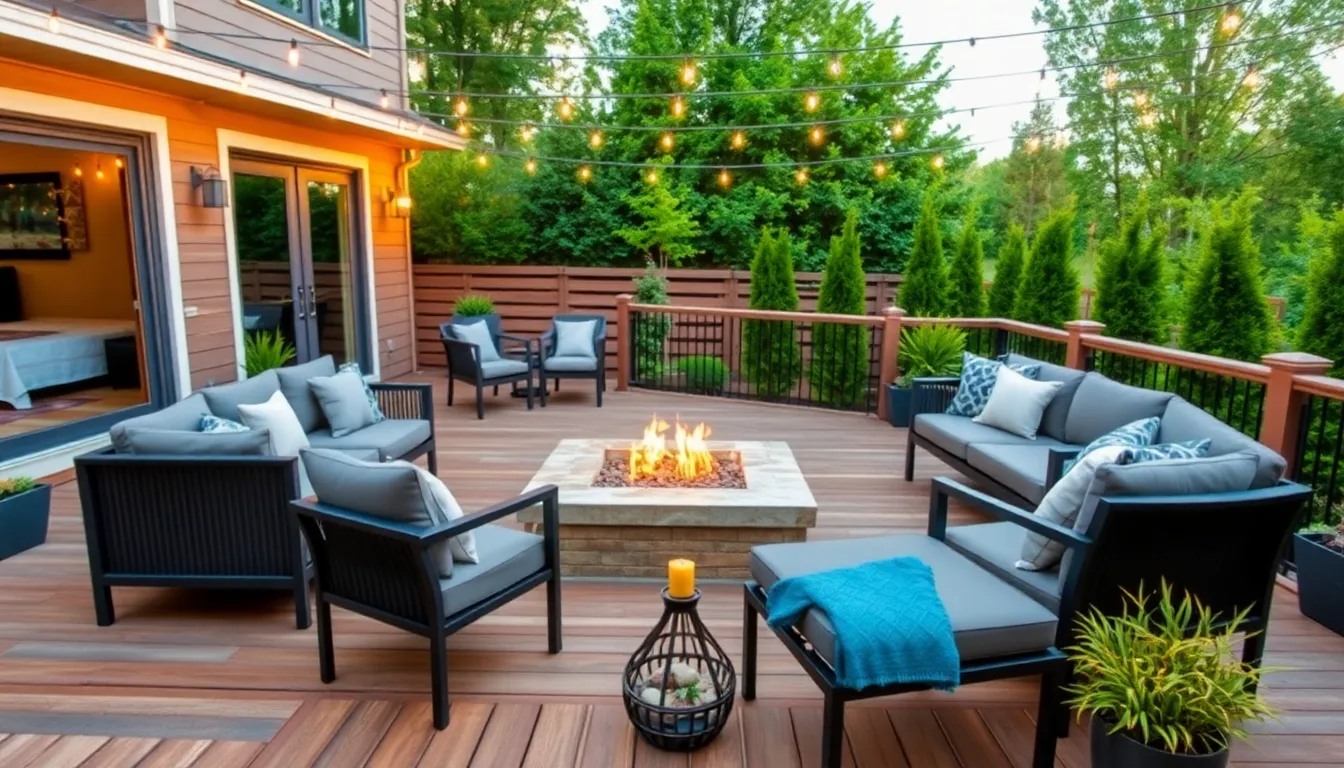
Ready to turn your backyard into a jaw-dropping retreat? Remodeling decks and patios might just be the answer, and trust us, it’s not just about slapping some paint on and calling it a day. With a little creativity (and perhaps some Pinterest inspiration), you can create an outdoor space that feels like an extension of your home. So, grab your design dreams and let’s jump into the nuts and bolts of transforming that bland area into your personal paradise.
Understanding Your Space
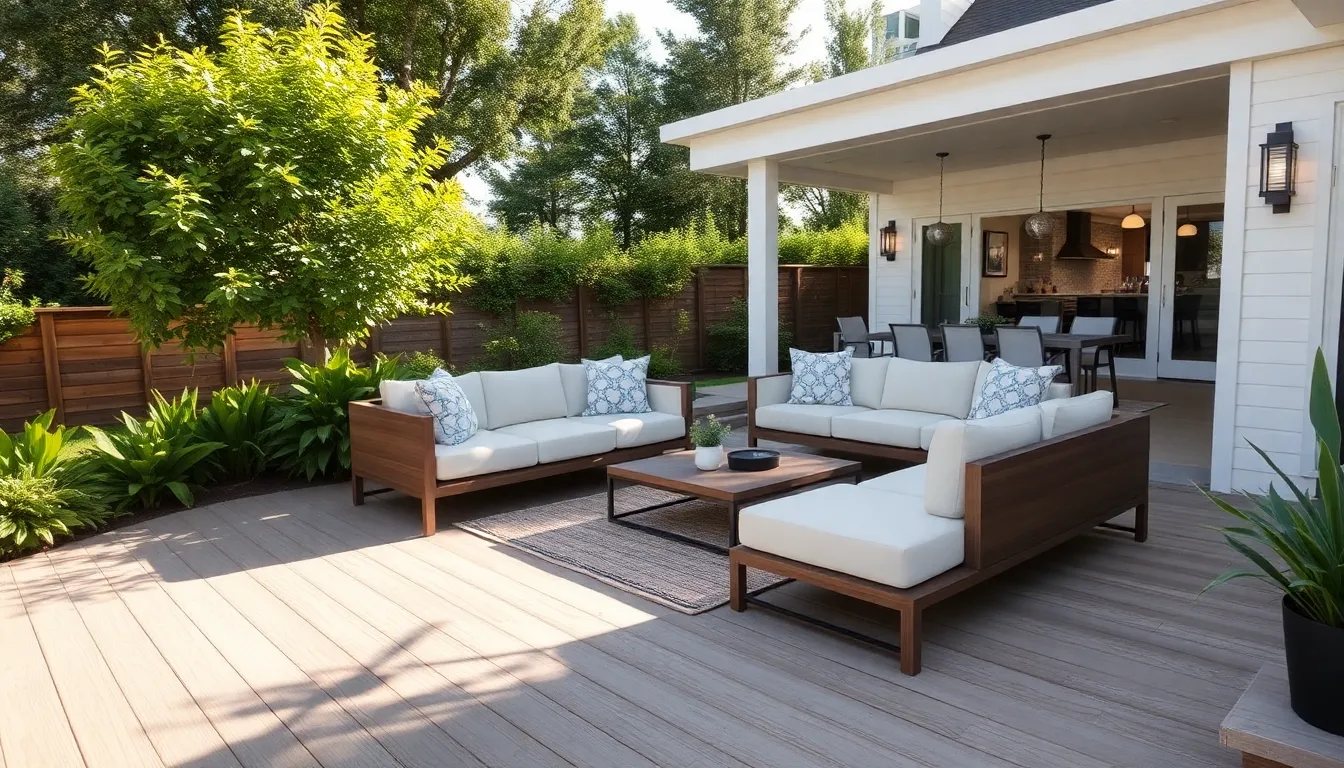
Before diving into the remodeling process, it’s crucial to evaluate your existing space. Measure your deck or patio to get a clear picture of its dimensions. Consider factors like sunlight, shade, and wind patterns. Not every outdoor space is created equal: some are sun traps while others are serene shady spots. Understanding these variables can help maximize comfort and functionality.
Also, think about how you plan to use this area. Is it for entertaining guests, family gatherings, or personal relaxation? Identifying the primary purpose can significantly impact your design choices. A space designated for lively gatherings may need more seating and lighting options, while a quiet nook might only require a comfortable chair and a small table. Paying attention to the details now can save headaches later.
Choosing The Right Materials
Materials play a pivotal role in durability and aesthetics when remodeling decks and patios. Whether it’s classic wood, composite materials, stone, or tile, each option brings its own flavor.
- Wood: Offers natural beauty but usually requires upkeep to prevent rot and splintering. Popular choices include cedar and redwood, both known for their rich hues and resistance to insects.
- Composite: If low maintenance is your priority, composite decking is a strong contender. Made from recycled materials, it mimics the look of wood without the hassle of staining and sealing.
- Stone and Tile: These materials add elegance and can withstand extreme weather conditions. Plus, they offer diverse design choices. But, the installation process may require more expertise compared to traditional wood.
Eventually, the best materials for your project will depend on your stylistic preferences and location.
Design Considerations
Designing a deck or patio involves more than just slapping down some boards or pavers. It’s about creating a harmonious flow that complements the rest of your home. Start by considering the architectural style of your house: a contemporary home may benefit from sleek lines and minimalism, while a more traditional residence might call for intricate details and cozy nooks.
When it comes to layout, don’t forget to plan for traffic patterns. Ensure there is enough space for people to move around without feeling cramped. Consider incorporating levels, multi-tiered designs can create visual interest and define different areas for cooking, dining, and lounging.
Colors also play a significant role in the overall vibe. Soft, neutral tones can create a calming atmosphere, while vibrant colors can energize your outdoor space. Combine textures like wood, stone, and metal to add depth and interest.
Incorporating Features and Accessories
Accessories can elevate your outdoor area from basic to breathtaking. Think beyond furniture: lighting, fire pits, and water features can add ambiance and functionality.
- Lighting: Strategic placement of ambient lighting can set the mood for evening gatherings. String lights, lanterns, and integrated LED strips can help your space shine after sunset.
- Fire Pits: A fire pit not only warms chilly evenings but also serves as a focal point for gatherings.
- Water Features: Whether it’s a soothing fountain or a small pond, water features introduce serenity and can mask unwanted noise from busy streets or neighbors.
When it comes to furniture, opt for weather-resistant materials that require minimal upkeep. Consider built-in benches or storage options that maximize space.
Budgeting For Your Remodel
A remodel doesn’t have to expensive, but having a clear budget is essential to avoid nasty surprises down the road. Start by listing all potential expenses, not just materials and labor, but also the costs for permits and inspections if needed.
Consider creating a tier system for your wishlist:
- Must-haves: Items essential for functionality
- Should-haves: Features that enhance the experience
- Nice-to-haves: Items that add little extras but aren’t crucial
This can help manage costs while achieving a well-rounded look.
Also, be open to compromises. Opting for more affordable materials in some areas while reserving your budget for crucial aspects can lead to a cohesive, stylish result without financial strain.
Hiring Professionals vs. DIY
When it comes to remodeling decks and patios, one major question arises: should you hire professionals or tackle it yourself? For those who are handy, taking on a project can be rewarding. But, assessing skill levels and available time is crucial.
Hiring professionals provides experience, fewer mistakes, and often faster completion. Specialized contractors also stay up-to-date on local building codes and can help obtain necessary permits. This is especially beneficial for complex designs or large spaces.
On the flip side, DIY enthusiasts can save on labor costs. There are tons of resources online, videos, blogs, and forums, to guide individuals through every step. Think of it as an opportunity to bond with family and express creativity. But, don’t underestimate the value of quality: experts have the experience that can save both time and frustration.
Maintenance Tips For Longevity
Once the remodeling is complete, it’s time to think about upkeep. Regular maintenance can significantly extend the lifespan of outdoor spaces.
For wooden decks, annual sealing is advisable to protect against weather damage, while composite materials may need infrequent cleaning. Ensure that surfaces are free from debris that can trap moisture, potentially leading to decay.
Schedule periodic inspections: check for soft spots in wood, cracks in stone, and loose tiles. Early intervention can prevent larger issues in the future. Incorporating weather-resistant furniture and accessories will also contribute to longevity, allowing homeowners to enjoy their outdoor investment for years to come.