


When thinking about sprucing up your backyard, why not start with something that practically screams relaxation? Patios and decks are the ultimate outdoor sanctuaries, turning any mundane space into a haven for family gatherings, BBQs, or simply enjoying a chilled drink on a warm summer evening. Picture this: you’ve got a stunning view, a cozy spot where the sun meets the shade, and all your friends marveling at your stylish transformation. Ready to jump into the world of patios and decks? Let’s explore how these outdoor gems can elevate any home.
Understanding Patios: Definition And Materials
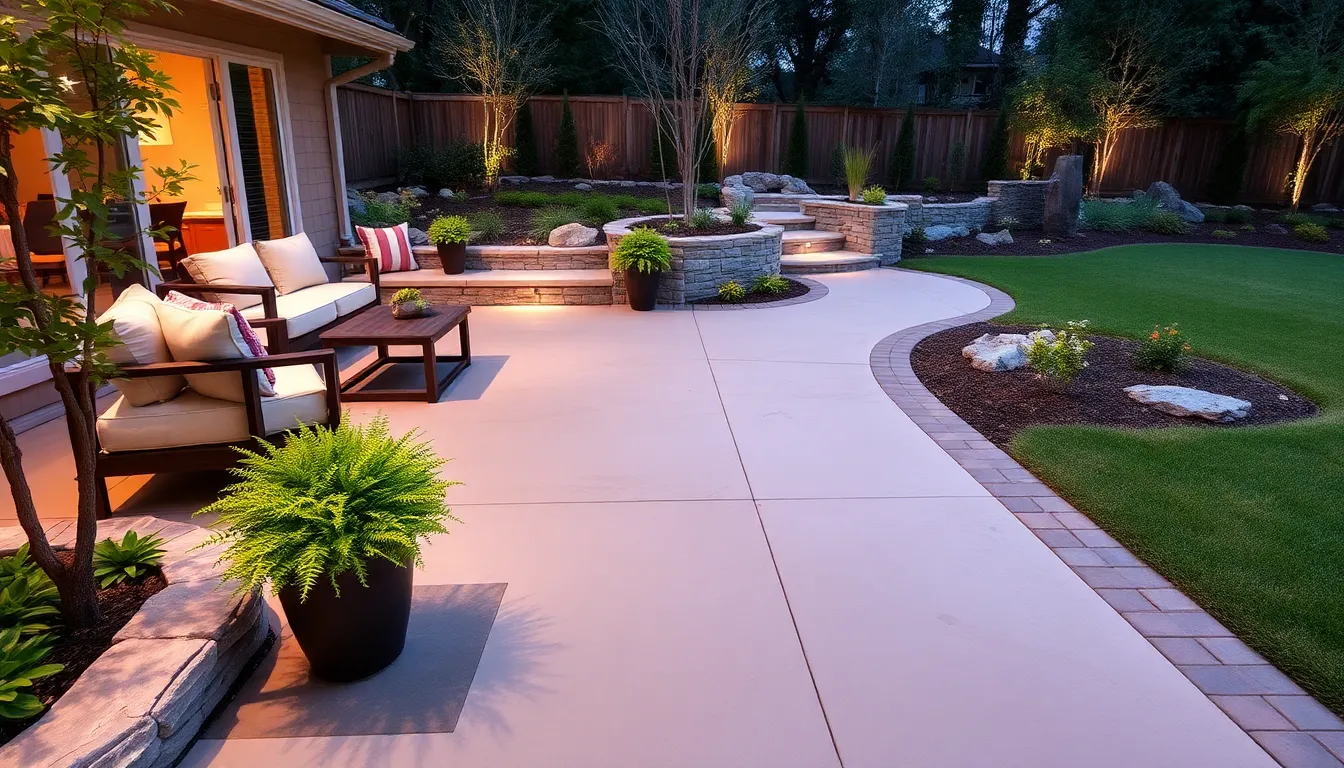
A patio is more than just a flat surface: it’s an invitation to enjoy the outdoors in style. Typically found at ground level, patios provide a perfect blend of function and aesthetics. Made from an array of materials such as stone, concrete, brick, and tiles, they can be as unique as the homeowner who designs them.
The beauty of patios lies in their versatility. Want a rustic feel? Go for natural stone. Prefer something sleek and modern? Concrete could be your best bet. Regardless of material, the right patio enhances the landscape and promotes an inviting ambiance.
Types Of Patios
Exploring the various types of patios is akin to browsing a menu in a fine restaurant, there’s something to cater to every taste. Here are some popular styles:
1. Traditional Patios
The classic go-to. Often made of concrete or pavers, these patios feature symmetrical designs that never go out of style.
2. Rustic Patios
If charm is what you’re after, consider a rustic patio with natural stone and gravel. It brings earthy vibes, giving your outdoor space that cozy, inviting feel.
3. Sunken Patios
For those seeking drama, a sunken patio can add depth to your garden. These patios are built below ground level, perfect for creating a private retreat.
4. Fire Pit Patios
Imagine evenings gathered around a crackling fire. Fire pit patios incorporate a central fire feature, making them perfect for social gatherings.
Each type offers a distinct appeal and style, ensuring homeowners can find exactly what they envision for their outdoor spaces.
Choosing The Right Material For Your Patio
Selecting the right material can feel like choosing a favorite child, but it doesn’t have to be daunting. Here are some options to consider:
1. Concrete
Durable and cost-effective, concrete can be stamped or stained to fit any style and is virtually maintenance-free.
2. Natural Stone
For those who want to make a statement, natural stone is unmatched in beauty. But, be prepared for a potentially larger investment.
3. Pavers
Available in various shapes and colors, pavers are adaptable and easy to repair, making them an attractive option.
4. Bricks
Classic and timeless, brick patios evoke a sense of history and often work well in more traditional garden settings.
Eventually, the choice comes down to personal style, budget, and how much maintenance one is ready to commit.
Exploring Decks: Purpose And Design
Decks offer a unique appeal distinct from patios, often elevated and attached to the house. They provide a great way to extend living space outdoors, offering an excellent spot for relaxation or entertainment. With plenty of design possibilities, decks integrate seamlessly into a home’s architecture or stand alone as a charming retreat.
They can enhance views, create a space for outdoor furniture, and often serve as a focal point in your yard. Decks provide the perfect environment for family gatherings, barbecues, or simply soaking up the sun on a lazy afternoon.
Types Of Decks
Decks come in numerous styles and designs, ensuring every homeowner finds the right fit:
1. Traditional Wooden Decks
Typically made from pressure-treated wood, these are classic but require regular maintenance to prevent rot.
2. Composite Decks
These are made from a blend of wood and plastic fibers, offering the aesthetic of wood with less upkeep. They resist fading and mold, making them ideal for busy households.
3. Rooftop Decks
Perfect for urban living, rooftop decks provide a unique escape with stunning views and an urban feel.
4. Multi-Tiered Decks
These designs create levels and dimensions, adding visual interest and functional areas for cooking, lounging, or dining.
Key Differences Between Patios And Decks
While both patios and decks serve to enhance outdoor enjoyment, they have distinct differences. A patio is generally made from hard materials and placed directly on the ground. It’s versatile in design and can be built from various materials like stone or concrete. On the other hand, a deck is often elevated and primarily made from wood or composite materials.
Patios are more suited for stylish outdoor dining areas, gardens, or fire pits, while decks are ideal for lounging, barbecues, or entertaining guests. The choice between the two often boils down to personal preference and the existing landscape.
Designing Your Outdoor Space
Creating an inviting outdoor space involves thoughtful design and planning. Here are some tips to inspire your patio or deck project:
1. Consider the Layout
Think about how you want to use the space. Will it be for entertaining, relaxing, or a bit of both? Layout impacts flow and functionality.
2. Incorporate Plants
Surrounding your patio or deck with greenery can make your space feel more integrated with nature, providing shade and comfort.
3. Add Lighting
Outdoor lighting transforms the ambiance at night. String lights or built-in fixtures can make your space magical after sunset.
4. Furnish Wisely
Select comfortable and stylish outdoor furniture that reflects your taste. Consider weather-resistant materials to ensure longevity.
Thoughtful design can elevate an outdoor area from ordinary to extraordinary.
Maintenance Tips For Patios And Decks
Keeping your patio or deck in excellent condition doesn’t have to be complicated. Here’s a handy maintenance guide:
1. Regular Cleaning
Sweep away debris and wash surfaces periodically. For wooden decks, use a gentle cleanser to maintain the finish.
2. Seal and Stain
For wood decks, consider sealing or staining every few years to protect against weather damage.
3. Check for Repairs
Inspect for cracks, loose boards, or shifting concrete regularly. Addressing issues early can save money and time in the long run.
4. Seasonal Care
Prepare your outdoor spaces for winter by covering furniture and cleaning away leaves to prevent mildew.

