


When it comes to selling a home, first impressions are everything. Imagine walking into a house that feels more like a cozy retreat than a mere structure. That’s the magic of home staging. It’s like giving a home a makeover, but instead of a new haircut, it gets a fresh vibe that makes buyers swoon.
What Is Home Staging?
Home staging enhances a property’s appeal, creating a welcoming environment that draws potential buyers in. This transformative process often plays a pivotal role in selling homes quickly and at higher prices.
Definition and Purpose
Home staging involves strategically arranging furniture and decor to showcase a property’s strengths. Effective staging highlights key features while minimizing any flaws. This process helps potential buyers visualize themselves living in the space, fostering an emotional connection. According to the National Association of Realtors, 77% of buyers’ agents said staging affected their clients’ views of homes. Optimizing visual impact increases the chances of a successful sale.
History of Home Staging
The concept of home staging emerged in the 1970s, with professional home stager Barb Schwarz pioneering the practice. Initially focused on vacant properties, home staging evolved to include occupied homes, adapting to market changes. By the late 1990s, many real estate professionals recognized its effectiveness. As housing markets grew competitive, home staging became a standard practice. Today, numerous resources and training programs exist, enabling realtors to specialize in staging techniques. As a result, home staging significantly influences the real estate landscape, continuing to shape property sales.
Benefits of Home Staging
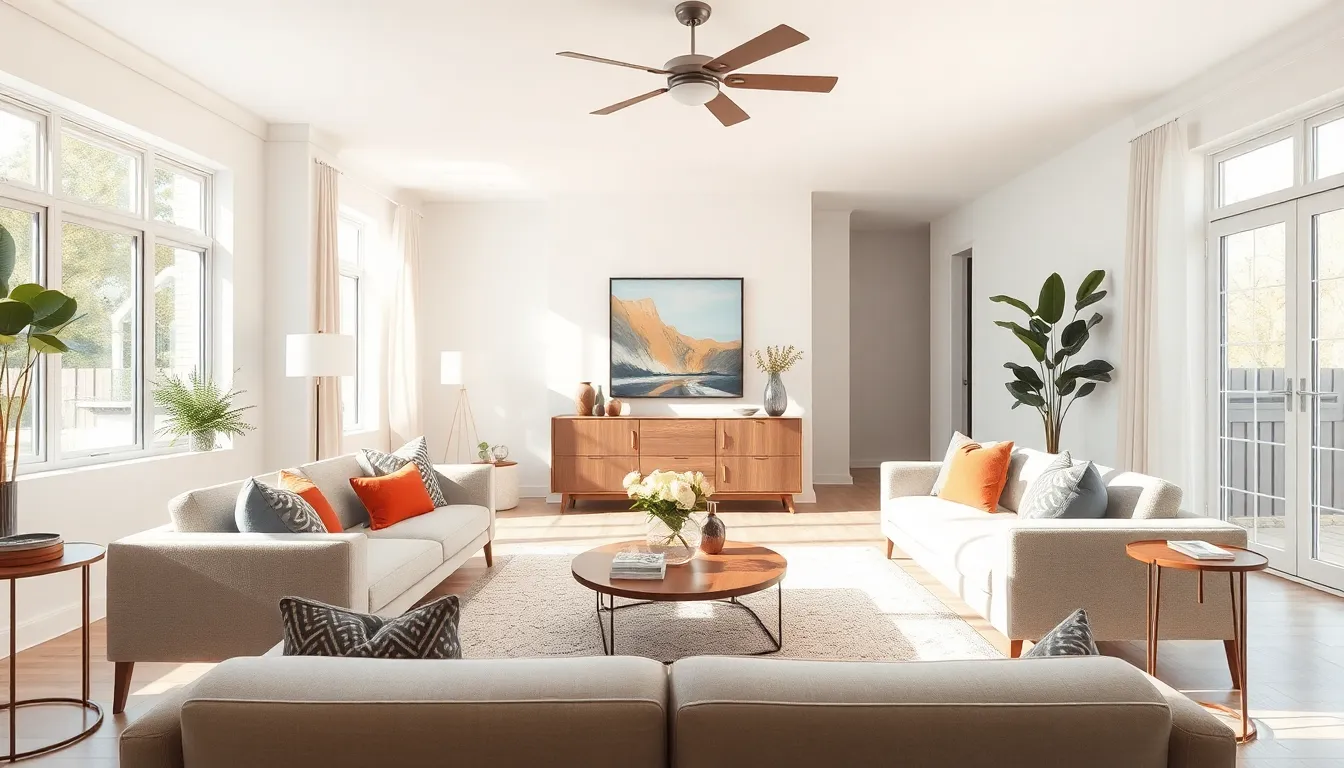
Home staging provides numerous advantages that significantly enhance the home-selling process. By effectively highlighting a property’s strengths, it captivates potential buyers and influences their decision-making.
Increased Perceived Value
Enhanced perceived value results from well-executed home staging. Buyers often associate staged homes with higher quality, leading to better offers. According to the National Association of Realtors, staged homes can command prices that are 1% to 5% higher than comparable unstaged ones. Professional staging creates a polished appearance that attracts discerning buyers. First impressions matter, and staging allows properties to shine, emphasizing their best features while downplaying imperfections. As buyers envision themselves in the space, their emotional investment increases, ultimately justifying a higher price point.
Quicker Sale Times
Speedy sales follow effective home staging practices. Properties that undergo staging typically sell 73% faster than non-staged homes. An appealing layout can draw in multiple offers and foster competition among buyers. Fewer days on the market mean less time incurred on holding costs. Home staging minimizes buyer indecision by presenting a move-in-ready home. With strategic furniture arrangement and decorative choices, homes resonate more with buyers, prompting quicker emotional connections. Ultimately, timely sales can lead to smoother transactions and a satisfying selling experience.
Key Elements of Effective Home Staging
Effective home staging requires attention to key elements that enhance a property’s appeal. These elements focus on furniture arrangement and color schemes along with decor.
Furniture Arrangement
Strategic furniture arrangement plays a vital role in home staging. Arranging furniture to create clear pathways allows potential buyers to navigate the space fluidly. Prioritizing focal points, such as fireplaces or beautiful views, draws attention to a property’s strengths. De-cluttering and minimizing personal items helps buyers envision their own lives within the home. Additionally, placing furniture to define spaces, such as dining areas or living rooms, enhances the perception of functionality. Consider using smaller-scale furniture in compact rooms; it can make spaces appear larger and more inviting.
Color Schemes and Decor
Color schemes and decor significantly affect a home’s atmosphere. Neutral colors create a serene backdrop, appealing to a broad range of buyers. Incorporating accent colors can add vibrancy while maintaining a cohesive look. Choosing decor items that complement the overall design ties together different areas effectively. Using mirrors strategically can enhance natural light and create an illusion of spaciousness. Additionally, integrating tasteful artwork and well-placed plants introduces warmth without overwhelming the senses. These elements collectively cultivate a welcoming environment, maximizing the chances of a successful sale.
Common Home Staging Mistakes to Avoid
Home staging significantly impacts the sale of a property. Avoiding common pitfalls enhances a home’s appeal and accelerates the selling process.
Over-Personalization
Over-personalization can deter potential buyers. Custom decor or family photos shift focus away from the home’s features. A neutral approach allows buyers to envision themselves living there. It’s best to remove personalized items that result in emotional attachments. Opt for generic artwork and decor that appeal to a broader audience. Keeping spaces simple and uncluttered encourages buyers to imagine their lives in the home. An inviting ambiance without distractions often leads to quicker sales.
Neglecting Curb Appeal
Curb appeal sets the tone for a showing. First impressions matter, as buyers often judge a property before entering. Neglecting landscaping, such as untrimmed bushes or unkempt lawns, can give a negative impression. Fresh paint on doors or window trims enhances visual appeal. Clean walkways and attractive entrance mats create a welcoming environment. Simple improvements make homes look more inviting, leading to increased buyer interest. Prioritizing curb appeal maximizes the chances of attracting potential buyers from the onset.
Home staging is a vital strategy for anyone looking to sell a property effectively. By creating an inviting atmosphere and showcasing the home’s strengths, sellers can significantly enhance buyer interest. The right staging not only accelerates sales but can also lead to higher selling prices.
As the real estate market continues to evolve, embracing home staging is more important than ever. Sellers who invest time and effort into staging their homes are likely to experience smoother transactions and greater satisfaction. With its proven benefits, home staging remains a key element in achieving successful property sales.

