
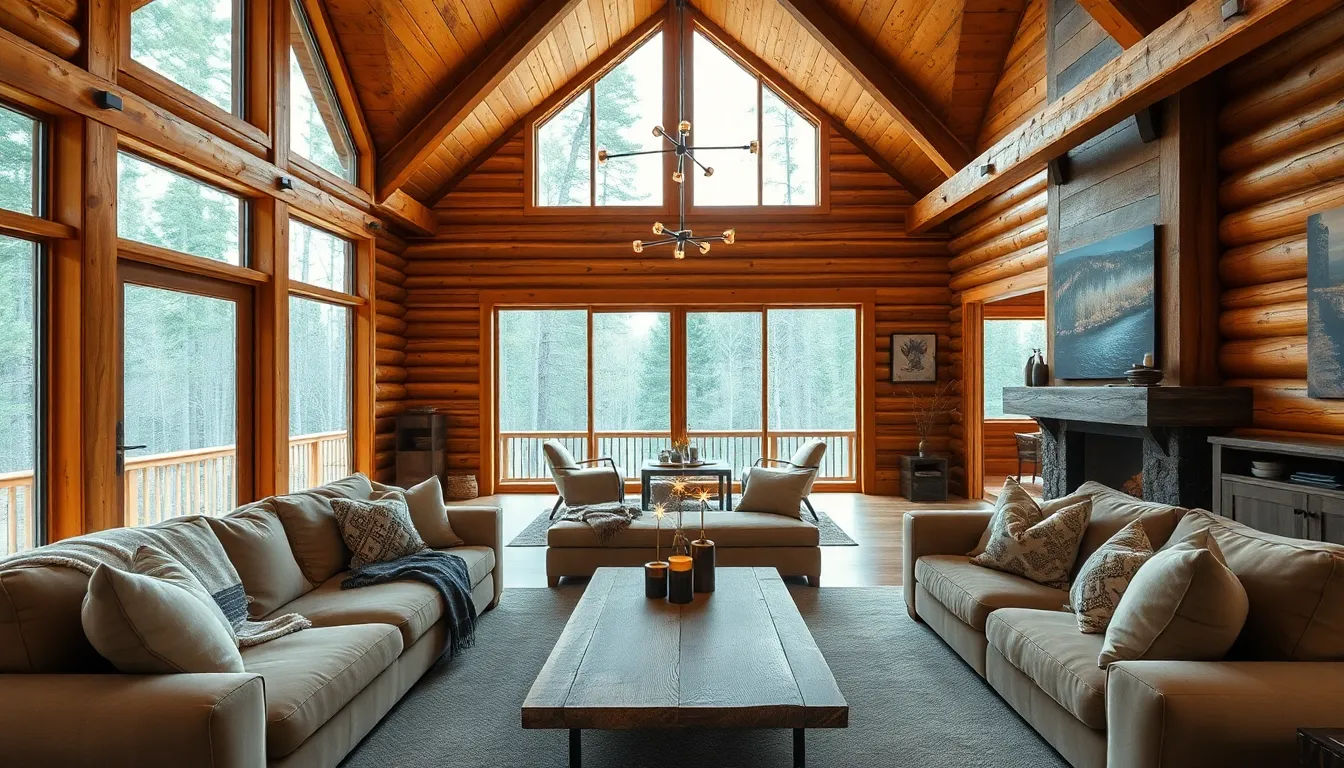
Imagine stepping into a cabin that feels like a warm embrace after a long day outdoors. Cabin interiors aren’t just about aesthetics: they’re about creating an atmosphere that wraps you in comfort. From the rustic charm of reclaimed wood to modern touches that capture the spirit of nature, designing your cabin is an adventure. Join us as we jump into the essentials of cabin interiors, exploring everything from timeless styles to eco-friendly options. Let’s make your dream cabin not just a vision but a cozy reality.
Understanding Cabin Interiors
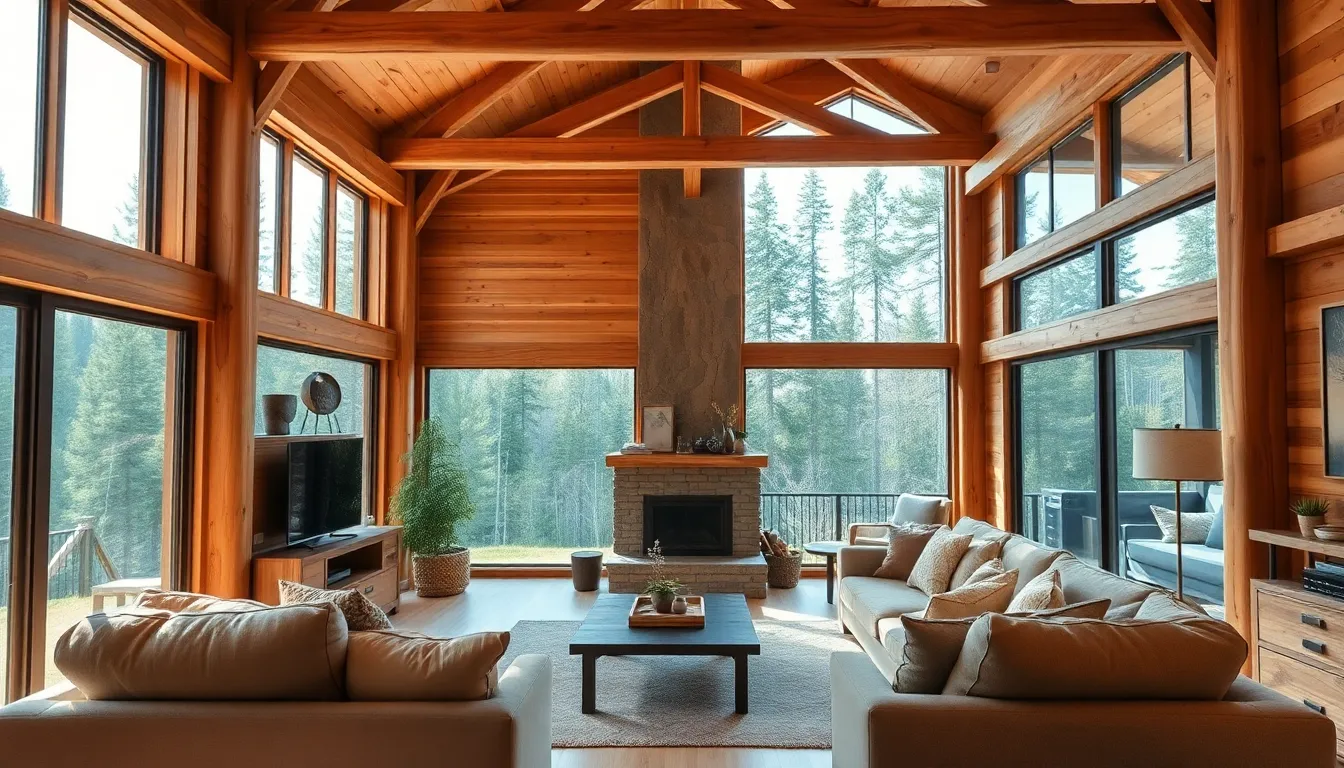
Cabin interiors are unique spaces that reflect the essence of comfort and the aesthetics of nature. Understanding these interiors begins with recognizing their purpose: they are designed to evoke feelings of relaxation and warmth, often drawing inspiration from their natural surroundings.
The choice of materials plays a crucial role in this ambiance. Wood is a fundamental element: it connects the indoors with the beauty outside. Using natural wood finishes, such as cedar or pine, can enhance the rustic charm. Not only does it provide a cozy feeling, but it also adds durability and character. Besides, incorporating large windows can bring the stunning landscape into the cabin, creating a seamless blend between the interior and nature.
The Importance of Cabin Design
When it comes to cabin design, it’s not just about looks. Well-thought-out cabin interiors significantly enhance the overall experience for anyone spending time there. A well-designed space improves usability, ensuring that it caters to the needs of its inhabitants while maximizing comfort.
Consider the flow of the space. Open floor plans can create a sense of spaciousness, making a small cabin feel larger and more inviting. This is especially essential in cabins that serve as retreats, where relaxation is the goal. It’s also vital to consider practical elements, like adequate storage solutions, which keep the cabin uncluttered and enjoyable.
Key Elements of Cabin Interiors
There are several key elements that can elevate cabin interiors from ordinary to extraordinary. Here’s what to focus on:
- Furniture: Opt for ergonomic pieces that complement the cabin’s aesthetic. Choose cozy sofas and oversized chairs that invite relaxation.
- Color Palette: Earthy tones tend to work best. Think warm browns, soft greens, and hues that reflect the surrounding landscape. These colors can create a calming atmosphere, essential for a cabin retreat.
- Lighting: Effective lighting is crucial. Incorporate both natural lighting through windows and artificial sources like warm pendant lights or sconces to create a cozy vibe.
- Accessories: Textiles such as throws, curtains, and rugs can add warmth and texture. Incorporate handcrafted or locally sourced elements to enhance that rustic feel.
Styles and Trends in Cabin Interiors
Cabin interiors evolve with styles, but certain trends remain timeless. Some popular styles to consider include:
- Rustic: Emphasizing raw materials, the rustic look celebrates the natural beauty of wood and stone. It often features exposed beams and log accents.
- Modern Rustic: This style seamlessly blends contemporary aesthetics with rustic elements. Think sleek furniture paired with reclaimed wood features.
- Scandinavian: Known for its minimalist approach, Scandinavian design focuses on functionality and simplicity. It utilizes light colors and natural materials to create airy, open spaces.
Trends in cabin design are shifting towards blending these styles, creating unique combinations that suit personal preferences.
Sustainable Cabin Interior Options
Sustainability is at the forefront of modern design, and cabin interiors are no exception. Integrating eco-friendly materials and practices goes a long way in creating a stylish yet responsible space. Consider:
- Reclaimed Wood: It not only adds character but also preserves natural resources. Each piece comes with a story, enhancing the cabin’s charm.
- Bamboo: As a rapidly renewable resource, bamboo furniture and flooring options are sustainable and stylish.
- Energy-Efficient Appliances: Look for appliances with high energy ratings to reduce environmental impact.
- Natural Fabrics: Choose organic cotton or hemp for upholstery and textiles to minimize the use of harmful chemicals.
DIY Tips for Cabin Interior Decoration
For those looking to personalize their cabin interiors without very costly, DIY projects can be both rewarding and fun. Here are some practical tips:
- Repurpose Furniture: Give new life to old furniture with a coat of paint or new upholstery. It’s a great way to add character while being cost-effective.
- Create Your Own Decor: Whether it’s wall art, decorative throws, or handmade candles, crafting brings a personal touch to the cabin.
- Use Natural Elements: Collect stones, branches, or pinecones from the surrounding area to create simple DIY decor. It helps to tie the interior to the beautiful landscape.
Future Trends in Cabin Interiors
Looking ahead, the future of cabin interiors seems promising. Key trends are emerging that prioritize not only aesthetics but also environmental consciousness:
- Smart Homes: With technology evolving, cabins will increasingly incorporate smart home features like automated lighting and climate control.
- Biophilic Design: This approach emphasizes the connection between nature and interior spaces, focusing on bringing natural elements inside to enhance wellness.
- Modular and Multifunctional Furniture: As spaces become more efficient, modular furniture will allow flexibility and adaptability in cabin interiors.

