


In a world cluttered with stuff, the minimalist home emerges like a breath of fresh air. Imagine walking into a space that feels open and serene, where every item has a purpose and a place. It’s not just about getting rid of things; it’s about embracing a lifestyle that prioritizes peace over chaos. Who knew less could actually mean more?
What Is a Minimalist Home?
A minimalist home emphasizes simplicity and functionality. This design philosophy cultivates an atmosphere where each object serves a purpose, reducing clutter and distractions. Focus on clean lines, neutral colors, and essential furnishings helps create a serene environment.
Open spaces enhance the feeling of tranquility. By minimizing the number of items in a home, individuals can enjoy a more intentional lifestyle. Minimalist living advocates for the principle of “less is more,” fostering a sense of clarity and peace.
Incorporating natural light often plays a significant role in minimalist design. Large windows and unobstructed views increase the sense of openness and connection to the outside world. Selecting quality over quantity ensures that every piece complements the overall aesthetic of the space.
The benefits of minimalist homes extend beyond aesthetics. They promote reduced stress and increased mindfulness by eliminating visual distractions. Adopting a minimalist approach encourages individuals to prioritize what truly matters, leading to greater satisfaction and fulfillment.
Cultivating a minimalist home requires thoughtful choices about items kept within the space. Choosing multi-functional furniture maximizes utility while minimizing excess. Each decision contributes to an organized and focused environment, reinforcing the tranquility that minimalism seeks to establish.
Ultimately, a minimalist home reflects a commitment to simplicity, purposefulness, and a life lived with intention.
Benefits of Minimalist Living
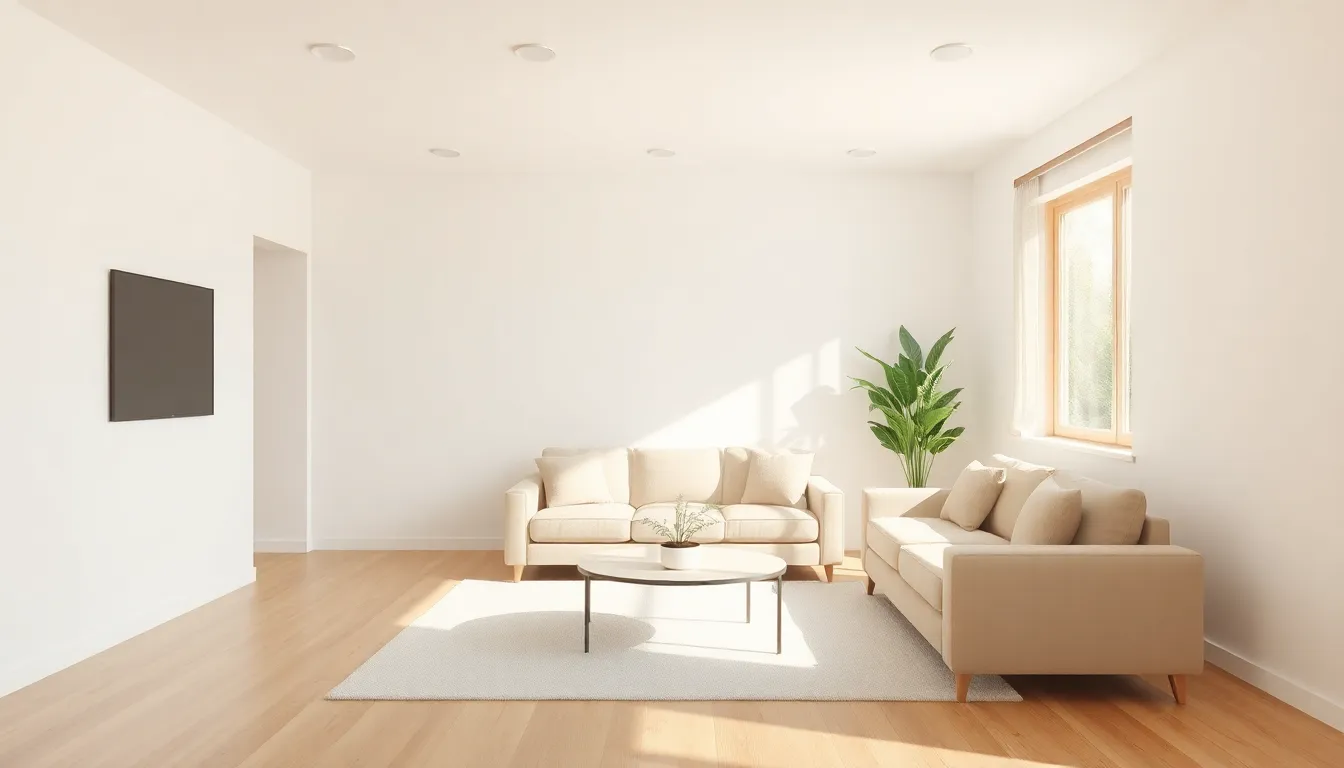
Minimalist living offers various advantages that enhance quality of life. The benefits include financial savings and improved emotional well-being.
Financial Advantages
Reduced expenses characterize minimalist living. Less clutter translates to fewer possessions, which leads to lower costs for maintenance and management. Each item requires an investment of time and money. Prioritizing essential items allows for more thoughtful purchasing decisions, increasing savings. Adopting a minimalist lifestyle often leads to lower energy bills through streamlined living spaces. Individuals often notice a shift toward experiences over material items, fostering deeper connections without the financial burden of excess.
Emotional Well-Being
Enhanced emotional clarity arises from minimalist living. A clutter-free environment fosters mental space, reducing anxiety and stress. Each curated item contributes to harmony, promoting mindfulness in daily activities. Individuals often experience greater focus when surrounded by fewer distractions, allowing them to engage fully with tasks. Emotionally, a minimalist approach encourages gratitude for what remains, fostering contentment with less. Many find that simplicity nurtures deeper relationships by emphasizing quality interactions over quantity of possessions.
Key Elements of Minimalist Design
Minimalist design centers on harmony, functionality, and a serene atmosphere. Key elements help shape this intentional living space.
Simplicity in Decor
Simplicity defines minimalist decor. Uncluttered surfaces and a limited selection of accessories create a tranquil environment. The focus remains on essential items rather than excessive decoration. Neutral color palettes enhance this simplicity, promoting calmness. Textures play a vital role; using natural materials like wood or stone adds warmth. Each chosen piece tells a story, embracing the idea that less is more. Emphasizing open spaces allows for better flow and interaction within the home.
Functional Furniture
Functional furniture serves dual purposes in a minimalist home. Selecting pieces that combine aesthetics and utility maximizes space and maintains simplicity. Multi-use items, such as a coffee table that doubles as storage, maintain a streamlined look. Prioritizing quality over quantity ensures durability and practicality. Sleek lines and geometric shapes contribute to a cohesive aesthetic. Each piece complements the overall design, avoiding clutter while enhancing comfort. Well-designed furniture creates an inviting atmosphere, welcoming interaction and functionality in everyday life.
Tips for Creating a Minimalist Home
Creating a minimalist home involves intentional choices that promote simplicity and tranquility. The following techniques help achieve a clutter-free environment.
Decluttering Techniques
Begin with a clear strategy. Room-by-room decluttering facilitates a manageable approach. Sorting items into categories like keep, donate, and discard helps individuals make decisive choices. Implementing the “one in, one out” rule ensures that new items replace existing possessions, preventing accumulation. Regularly reassessing belongings maintains clarity and purpose in one’s space. Employing storage solutions like baskets or boxes also organizes essentials without creating visual chaos. When each item holds significance, the home reflects a more intentional lifestyle, fostering peace and focus.
Choosing a Color Palette
Selecting a color palette sets the foundation for a minimalist aesthetic. Neutral hues like whites, beiges, and greys create a sense of calm and spaciousness. Accenting with soft pastels adds interest without overwhelming the senses. Harmonizing colors across rooms promotes continuity, enhancing the overall flow of the home. Consistent tones in furnishings and decor contribute to a cohesive look. Utilizing natural materials such as wood or stone deepens the connection to nature while retaining simplicity. When color choices serve a purpose, they elevate the minimalist atmosphere, cultivating a serene and inviting environment.
Challenges of Minimalist Living
Minimalist living presents specific challenges that require careful consideration. Individuals may struggle with emotional attachments to possessions, finding it difficult to part with items that hold sentimental value. Balancing the desire for simplicity while retaining meaningful belongings often creates internal conflict.
Maintaining a minimalist lifestyle demands discipline and commitment. Consistently reassessing belongings becomes crucial to prevent clutter from re-emerging. Individuals may feel overwhelmed by the process of decluttering, especially if faced with years of accumulated items. Developing a strategy for gradual decluttering helps ease this burden.
For some, the financial aspect can pose challenges. While minimalism reduces expenses related to possessions, there may be initial costs involved in purchasing quality, multifunctional items. Investing in durable furniture or storage solutions can strain budgets, making it essential to balance thoughtful spending with immediate financial constraints.
Social pressures also come into play. Friends or family members might not understand the minimalist philosophy, leading to potential conflicts when facing external expectations about material possessions. Some individuals may feel the need to justify their choices or explain their lifestyle to those who prioritize consumerism.
Lastly, adapting to a simpler lifestyle may lead to feelings of isolation. A clutter-free environment can create a disconnect from those who derive comfort and identity from their possessions. Engaging with supportive communities or online groups centered on minimalism can help individuals stay motivated and connected through shared experiences and solutions.
Embracing a minimalist home isn’t just about reducing clutter; it’s about creating a space that nurtures peace and purpose. This lifestyle encourages individuals to focus on what truly matters while fostering mental clarity and emotional well-being. By prioritizing functionality and intentional design choices, a minimalist environment can transform everyday living into a more fulfilling experience.
Though challenges may arise in the journey toward minimalism, the rewards are significant. A commitment to simplicity leads to greater satisfaction and a deeper appreciation for life’s essential elements. As individuals navigate their minimalist paths, they discover that less truly can be more, enriching their lives in unexpected ways.

