

Table of Contents
ToggleWhen it comes to transforming an outdoor space, patio tiles can be the unsung heroes of home improvement. They’re like the stylish shoes that elevate an outfit from drab to fab. Whether it’s a cozy nook for morning coffee or a lively spot for weekend barbecues, the right tiles can turn any patio into a haven of relaxation and fun.
But let’s face it—choosing patio tiles can feel like navigating a maze of options. With patterns, colors, and materials galore, it’s easy to get overwhelmed. Fear not! This guide will help you step confidently into the world of patio tiles, ensuring you make a choice that’ll have your neighbors green with envy. After all, who wouldn’t want a patio that’s not just functional but also a feast for the eyes?
Overview of Patio Tiles
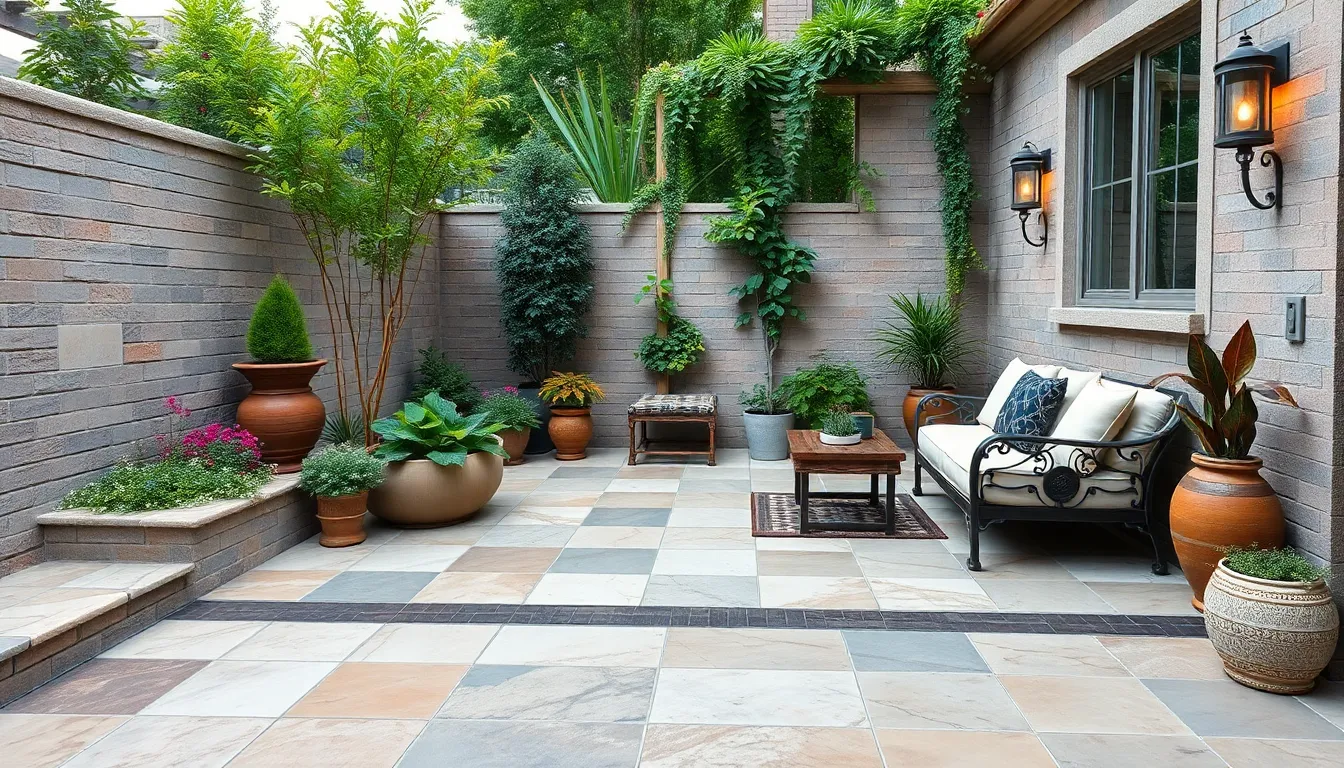
Patio tiles enhance outdoor areas, providing a stylish foundation for relaxation and entertainment. Various materials, including ceramic, porcelain, natural stone, and concrete, cater to diverse preferences and climates. Each material boasts unique characteristics: ceramic tiles offer durability, while natural stone brings a rustic aesthetic.
Colors and patterns play crucial roles in design. Neutral tones create a calming environment, whereas bold colors add vibrancy. Unique patterns can contribute to a personalized look, transforming an outdoor space into a visual centerpiece.
Customization offers the freedom to create a backyard oasis. Some tiles mimic the appearance of wood or stone without compromising performance, combining style with practicality. Choosing textured tiles enhances grip, making them safer in wet conditions.
Size variations assist in achieving distinct effects. Larger tiles can create a spacious feel, ideal for smaller patios. Smaller tiles can introduce intricate designs, enhancing visual interest and dimension.
Installation methods differ based on tile type and surface. Some require professional installation, while others support DIY approaches, catering to all skill levels. Understanding maintenance requirements is crucial. Certain tiles need sealing or special cleaners, affecting long-term value and appearance.
Considering climate and usage is essential when selecting patio tiles. Frost-resistant options thrive in colder regions, while heat-resistant tiles suit hotter climates. Engaging local suppliers provides insights into the best options for specific areas.
Patio tiles contribute significantly to outdoor ambiance and functionality. Choosing the right style, material, and size leads to an inviting and durable space that impresses neighbors and enhances quality of life.
Types of Patio Tiles
Patio tiles come in various types, each offering distinct advantages. Understanding these types helps in making informed decisions.
Porcelain Tiles
Porcelain tiles provide durability and versatility for outdoor spaces. They resist moisture absorption and withstand harsh weather conditions, making them suitable for different climates. Available in numerous styles, these tiles can mimic natural stone or wood. Flexibility in design caters to a variety of aesthetics. High-density construction ensures longevity, reducing the frequency of replacements.
Natural Stone Tiles
Natural stone tiles add an elegant touch to patios. Options include granite, slate, and limestone, each with unique textures and colors. These tiles often enhance the natural beauty of outdoor spaces. They withstand the elements, offering long-term performance. However, sealing may be necessary to maintain their appearance. Choosing natural stone contributes to a rustic and timeless appeal.
Ceramic Tiles
Ceramic tiles offer affordability and a wide range of designs. They’re available in numerous colors, patterns, and finishes, allowing for creative freedom. This type is also easy to clean, making maintenance simple. Suitable for moderate climates, ceramic tiles excel in areas where temperatures don’t drop significantly. Their lightweight nature aids in easier installation.
Concrete Tiles
Concrete tiles provide strength and resilience, ideal for high-traffic patios. These tiles come in various finishes, including stamped and stained options, enhancing aesthetic appeal. They withstand extreme weather conditions while offering a solid base. Customization options allow for unique designs and colors. Durability contributes to the longevity of concrete tiles, making them a practical choice.
Benefits of Using Patio Tiles
Patio tiles offer numerous advantages that enhance outdoor spaces, making them more functional and visually appealing.
Aesthetic Appeal
Aesthetic appeal stands out as one of the primary benefits of patio tiles. Available in a wide range of colors, patterns, and textures, tiles allow for endless design possibilities. Traditional options include natural stone for an elegant look, while vibrant ceramic tiles can add a playful touch. Homeowners appreciate the ability to create personalized spaces that reflect their style. Mixing various tile types introduces unique visual interest. The versatility in design ensures that each patio can feel distinct and inviting.
Durability
Durability becomes a key consideration when choosing patio tiles. Porcelain tiles resist moisture and staining, making them ideal for various climates. Natural stone tiles, while beautiful, require sealing to maintain integrity. Concrete tiles excel in high-traffic areas due to their strength and resilience. Selecting the right material ensures longevity, reducing the frequency of replacements. Homeowners find that investing in durable tiles translates into significant cost savings over time. With proper care, these tiles maintain their appeal and functionality for years.
Low Maintenance
Low maintenance features of patio tiles add to their appeal. Most porcelain and ceramic options are easy to clean, requiring only regular sweeping and occasional mopping. The resistance to fading and staining minimizes upkeep efforts. Homeowners appreciate that natural stone might require more attention but offers lasting beauty. Choosing frost-resistant or heat-resistant tiles further enhances longevity, ensuring seasonal changes don’t lead to damage. Overall, patio tiles provide a practical outdoor solution that allows homeowners to enjoy their spaces without constant maintenance.
Installation Process
The installation process for patio tiles involves several key steps to ensure a beautiful and lasting finish.
Preparing the Surface
Start by cleaning the area where tiles will be installed. This step removes debris, dirt, and any existing materials like grass or old tiles. Next, ensure the ground is level; use a leveler to identify dips or bumps. Materials like sand may fill low spots. After leveling, compact the surface for stability, preventing future shifting or cracking. Finally, allow the surface to dry completely before moving to the next step.
Laying the Tiles
Begin laying tiles from the center and work outward, creating a symmetrical pattern. Use spacers to maintain even gaps between tiles; this ensures a uniform look and proper grouting later. Heavily press each tile into place to eliminate air bubbles. Adjust tiles as necessary for alignment, checking frequently with a level. Cutting tiles may be required for edges; use a wet saw for clean cuts to avoid damage.
Grouting and Sealing
Once tiles are set, wait at least 24 hours before grouting. Choose a grout color that complements the tiles; mix it according to manufacturer instructions. Apply grout using a float, pressing it into the gaps firmly. Cleaning excess grout off the tile’s surface promptly can prevent staining. After grouting, sealing the tiles may enhance water resistance and durability. Wait for grout to cure before applying sealant; follow product guidelines for the best results.
Care and Maintenance
Maintaining patio tiles is essential for preserving their beauty and longevity. Regular care ensures outdoor spaces remain inviting and functional.
Cleaning Tips
Cleaning patio tiles requires a simple routine. Use a broom for debris removal, ensuring dirt and leaves don’t accumulate. For deeper cleaning, mix mild detergent with warm water and scrub surface stains gently with a soft brush. Rinse thoroughly to remove any soap residue. Avoid harsh chemicals to prevent discoloration or damage to the tiles. Regular maintenance also includes removing any algae or moss, which might grow in damp areas. A pressure washer can also help but should be used cautiously to avoid damaging the grout or tile surface.
Preventing Damage
Preventing damage to patio tiles involves several proactive measures. Placing mats or area rugs in high-traffic zones protects against scratches. Using furniture pads under outdoor furniture prevents dents and scuffs. In addition, sealing natural stone tiles creates a barrier against moisture and stains, enhancing their durability. During winter months, shoveling snow promptly prevents ice from forming, reducing the risk of cracks. Lastly, avoid dragging heavy objects across the surface to prevent chipping or cracking.
Choosing the right patio tiles can truly transform any outdoor space into a stylish and functional oasis. With various materials and designs available homeowners can find options that suit their personal style and climate needs. By considering factors such as size color and maintenance requirements they can create an inviting atmosphere perfect for relaxation or entertaining.
Investing in quality patio tiles not only enhances the aesthetic appeal but also ensures durability and low maintenance. With proper care their outdoor areas can remain beautiful and enjoyable for years. Whether opting for porcelain ceramic natural stone or concrete the right choice will elevate any patio experience.