


When your lawn starts resembling a desert, it’s time to face the music: your sprinkler system might need some TLC. Sprinkler repair isn’t just about fixing a few leaks; it’s about reviving your yard from its sad, brown state. Imagine your grass dancing in the rain instead of wilting in despair.
Understanding Sprinkler Systems
Sprinkler systems maintain lawn health and promote lush greenery. Knowledge of different types and components informs effective repairs and maintenance.
Types of Sprinkler Systems
Irrigation methods vary. The most common types are spray systems, drip systems, and rotor systems. Spray systems deliver water in a set area, offering quick coverage. Drip systems direct water to the roots, minimizing waste and evaporation. Rotor systems rotate to cover larger areas, ensuring even distribution. Each type has its own unique advantages, promoting efficient water usage based on landscape needs.
Common Components of Sprinkler Systems
Understanding system components is essential. Key elements include valves, pipes, and controllers. Valves control water flow, regulating pressure and distribution. Pipes connect valves to sprinkler heads, transporting water throughout the system. Controllers automate watering schedules, adjusting for seasonal changes. Each part plays a vital role in efficient operation and effective water management. Proper maintenance of these components impacts overall system performance.
Common Sprinkler Issues
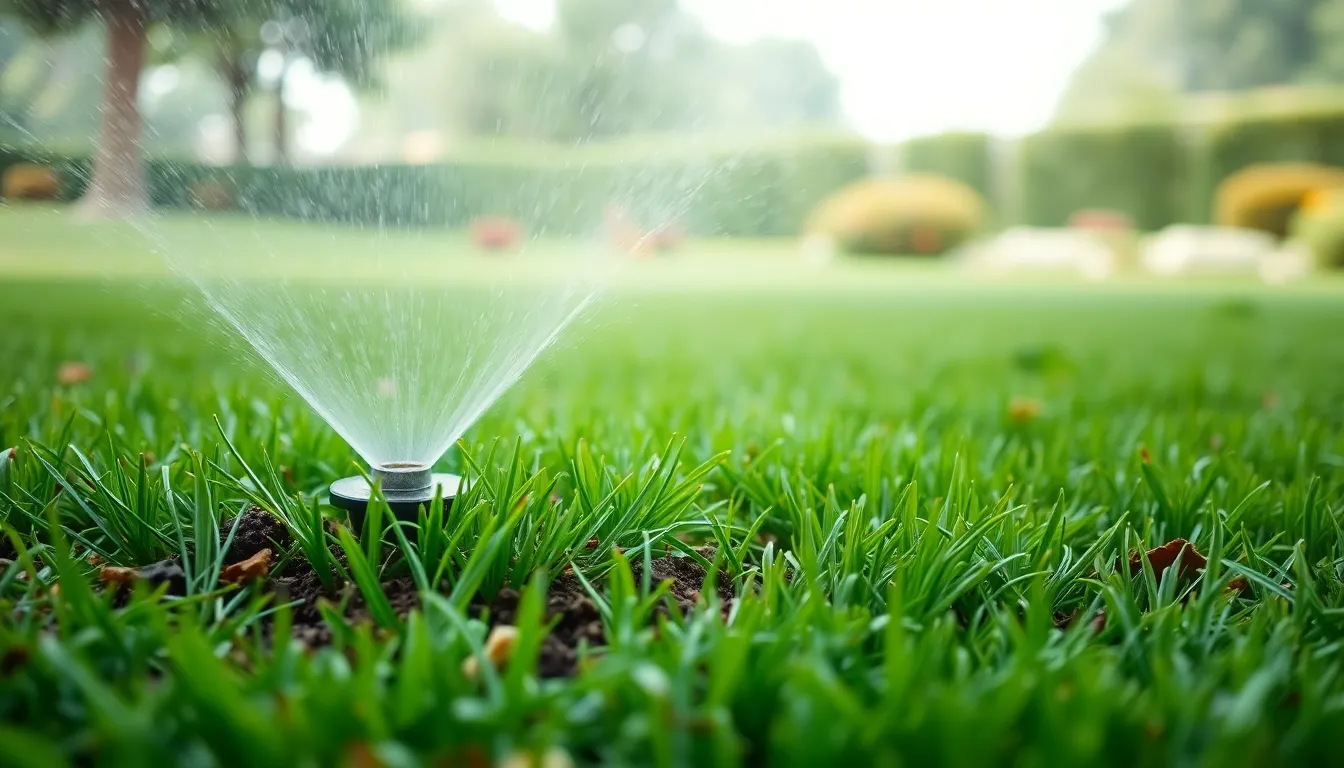
Sprinkler systems can encounter various issues that impact their efficiency and effectiveness. Identifying these problems early helps maintain a healthy lawn.
Leaks and Breaks
Leaks and breaks are frequent issues in sprinkler systems. They may occur due to aging components or extreme weather conditions. Water escaping from these faults can lead to wasted resources and uneven watering. Inspecting pipes, fittings, and connections regularly helps locate these leaks. Immediate attention prevents further damage and promotes optimal water distribution.
Clogged Sprinkler Heads
Clogged sprinkler heads hinder water flow and coverage. Debris, dirt, and mineral buildup can obstruct openings, leading to dry patches in the lawn. Regular cleaning of sprinkler heads ensures even irrigation. Removing the heads and rinsing them thoroughly also restores functionality. This maintenance task enhances water distribution and keeps the lawn lush and green.
Malfunctioning Timers
Malfunctioning timers disrupt automated watering schedules. A faulty timer may fail to operate at programmed intervals or skip watering sessions entirely. Regular checks of the timer settings and battery levels are vital for consistent performance. Replacing a damaged timer can restore the system’s reliability. Maintaining accurate timer operation ensures the lawn receives the right amount of water at optimal times.
DIY Sprinkler Repair Tips
Homeowners can effectively handle common sprinkler repairs with the right knowledge and tools. These tips guide the repair process for maintaining efficient irrigation.
Tools You Will Need
Gather essential tools for your sprinkler repair project. A shovel assists in digging around buried pipes. Pliers grip and twist various components effectively. A utility knife trims any damaged materials. Screwdrivers, both flat and Phillips, enable easy access to valves. Additionally, a wire cutter is handy for any electrical connections. Ensure you have access to PVC cement for pipe repairs. These tools simplify the repair process and enhance efficiency.
Step-by-Step Repair Process
Begin the repair process by turning off the water supply to the system. Dig carefully around any affected pipes to expose them. Inspect the components for visible damage, such as cracks or leaks. If a leak is found, cut out the damaged section and replace it with a new piece of PVC pipe. Glue the connections using PVC cement to ensure a watertight seal. For clogged sprinkler heads, remove them and clean them thoroughly before reinstallation. When all repairs are complete, turn the water back on gradually and check for any leaks. Regularly performing these steps helps maintain the sprinkler system’s effectiveness.
When to Call a Professional
Recognizing the right time to contact a professional for sprinkler repair ensures effective lawn maintenance. Several indicators suggest the need for expert assistance.
Signs You Need Expert Help
Symptoms of sprinkler issues often become visible through specific signs. Water puddles in the yard indicate possible leaks in the system. Dry patches on the lawn exhibit uneven watering, pointing to problems with sprinkler heads. If water pressure appears inconsistent, it suggests potential blockages in pipes or valves. Malfunctioning timers create erratic watering schedules, indicating technology failures. Noticing any of these issues signals that professional inspection and repairs may be necessary.
Choosing the Right Sprinkler Repair Service
Selecting a reputable sprinkler repair service requires careful consideration. Look for companies with positive customer reviews and proven track records. Always check for proper licensing and insurance to ensure reliability. Ask for estimates from multiple providers to understand market rates. Inquire about warranties on both parts and services to protect investments. These steps lead to informed decisions and ensure skilled technicians address sprinkler issues effectively.
Maintenance Tips for Sprinkler Longevity
Maintaining a sprinkler system ensures a healthy lawn and prevents costly repairs. Regular attention to your system promotes its durability and efficiency.
Seasonal Checkups
Conduct seasonal checkups to catch potential issues early. Inspect your sprinkler heads for damage or misalignment, as this promotes even water distribution. Check for any visible leaks around valves and connections. Adjust the timer settings for seasonal changes to optimize watering schedules. Clean filters or screens in the system, ensuring unobstructed water flow. These simple steps help maintain your system’s performance and extend its lifespan.
Winterization Procedures
Implement winterization procedures to protect your sprinkler system from cold temperatures. Begin by turning off the water supply to prevent freezing in the pipes. Drain the system completely to avoid any damage from ice expansion. Use an air compressor to blow out any remaining water, ensuring all lines are clear. Insulate any exposed components, such as backflow preventers, to provide additional protection. Proper winterization safeguards the system and ensures a smooth start-up in the spring.
Maintaining a healthy lawn relies heavily on a well-functioning sprinkler system. By addressing common repair issues and performing regular maintenance, homeowners can ensure their systems operate efficiently. This not only conserves water but also promotes lush greenery throughout the yard.
Recognizing when to tackle repairs or seek professional help is vital for long-term success. With the right tools and knowledge, homeowners can take control of their sprinkler systems, transforming their outdoor spaces into vibrant landscapes. Embracing these practices will lead to a thriving lawn and a more enjoyable outdoor experience.

