
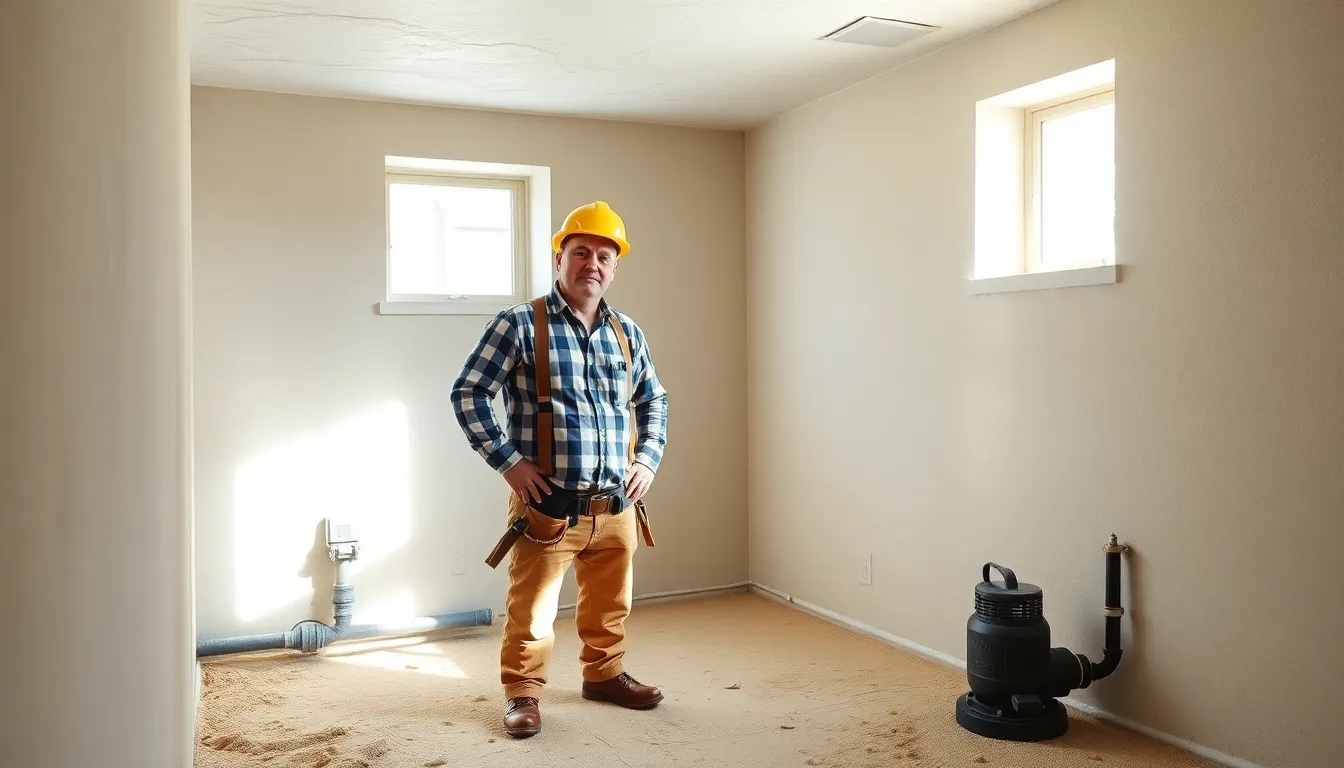
Basements can be a treasure trove of potential, but they can also be a soggy nightmare. Imagine turning your once-damp dungeon into a cozy haven, free from the threat of mold and mildew. Basement waterproofing isn’t just a home improvement project; it’s a superhero transformation for your home’s underbelly.
What Is Basement Waterproofing?
Basement waterproofing refers to methods and materials used to prevent water damage in basement areas. This process addresses issues such as leaks, dampness, and mold growth. Ensuring a dry basement enhances not only the livability of the space but also the overall integrity of the home.
Various techniques exist for effective basement waterproofing. Interior waterproofing involves applying sealants to walls and floors, preventing moisture from seeping in. Exterior waterproofing, on the other hand, includes drainage systems and waterproof membranes that stop water at its source.
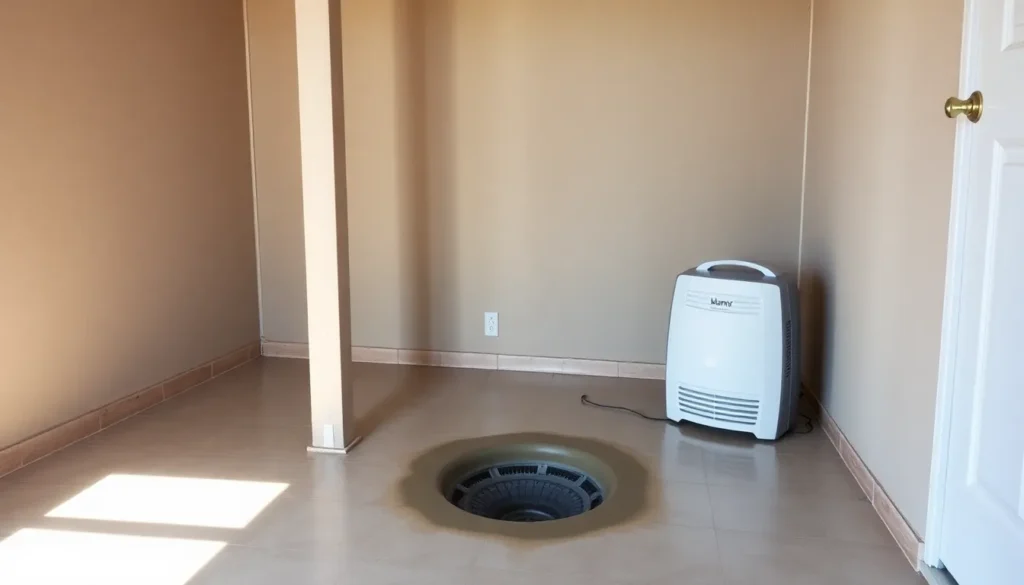
Installation of sump pumps offers another effective solution, especially in areas prone to flooding. Proper grading around the home’s foundation enables water to flow away, reducing potential leaks. Additionally, the use of a dehumidifier can help control humidity levels, preventing mold from developing.
Homeowners should consider performing regular inspections to identify cracks and other potential entry points for water. Addressing these problems early can save time and money compared to extensive repairs later. Engaging professional contractors experienced in basement waterproofing ensures that techniques used are appropriate for the specific needs of the home.
Investing in basement waterproofing provides long-term benefits. Increased property value and enhanced living space usability are significant advantages. Moisture control not only protects furnishings but maintains a healthier environment for occupants.
Importance of Basement Waterproofing
Basement waterproofing plays a crucial role in maintaining a dry, usable space. Its significance extends beyond mere aesthetics, impacting the overall integrity of a home.
Prevention of Water Damage
Effective basement waterproofing directly prevents water damage. Strategies like installing effective drainage systems and applying sealants block moisture intrusion. Sump pumps play a vital role in removing accumulated water. Regular monitoring of these systems ensures they function optimally. By addressing leaks early, homeowners can avoid extensive repairs later. Avoiding water-related issues safeguards foundational structures. Thus, investment in waterproofing translates into long-term savings.
Health Benefits
A waterproofed basement contributes to improved indoor air quality. Mold thrives in damp conditions, leading to health problems. Proper humidity control through dehumidifiers reduces the risk of mold growth. Enhanced air quality minimizes allergens and respiratory issues. Safe living environments protect inhabitants’ health and well-being. Eliminating moisture fosters a more comfortable atmosphere. Investing in waterproofing promotes both health and comfort, making it a vital home improvement task.
Types of Basement Waterproofing Methods
Basement waterproofing encompasses various methods designed to protect against water infiltration. Understanding these methods aids in selecting the best approach for a specific situation.
Interior Waterproofing
Interior waterproofing focuses on preventing water from entering through walls and floors. Sealants play a critical role, creating a barrier that keeps moisture out. Interior drainage systems also redirect water away from susceptible areas. Applying waterproof paint on walls provides an additional layer of defense, while a dehumidifier helps control humidity levels. Regular monitoring of any visible cracks is crucial; addressing them promptly minimizes water damage risk.
Exterior Waterproofing
Exterior waterproofing addresses moisture problems from the outside. This method often involves excavating the soil around the foundation. Installations like waterproof membranes create a protective layer, shielding the home from potential water sources. Additionally, installing proper grading helps divert rainwater away from the foundation. A comprehensive approach enhances durability and ensures long-lasting protection against moisture intrusion.
Drainage Systems
Drainage systems play a vital role in effective basement waterproofing. French drains, for instance, capture accumulated water and redirect it away from the house. Properly installed downspouts further assist in channeling rainwater away from the foundation. Sump pumps serve as an essential component, actively removing any water that enters the basement. Regular maintenance of drainage systems ensures optimal performance and reduces the risk of flooding.
Choosing the Right Waterproofing Solution
Selecting the appropriate waterproofing solution requires careful consideration of various factors, ensuring the solution meets specific basement needs.
Analyzing Your Basement’s Needs
Begin by assessing the level of moisture in the basement. High humidity levels often point to significant water issues. Identifying visible cracks or water stains provides critical insights into potential vulnerabilities. Evaluating drainage around the foundation also plays a vital role; proper grading helps direct water away from structures. Understanding your basement’s usage can further influence decisions. Finishing a basement or using it as a storage area might demand different waterproofing methods. Testing soil drainage can reveal how efficiently water disperses from your property.
Consulting with Professionals
Engaging a waterproofing contractor offers access to expertise and specialized knowledge. Professionals conduct thorough inspections and provide tailored recommendations based on unique basement characteristics. They utilize advanced tools to assess moisture levels and identify underlying problems. Obtaining multiple quotes ensures a comprehensive understanding of available options and pricing. Discussing long-term maintenance plans gives homeowners clarity on ongoing care for waterproofing systems. Ultimately, professional consultations streamline the decision-making process, leading to effective solutions that protect properties from water damage.
Cost Factors in Basement Waterproofing
Numerous factors influence the cost of basement waterproofing. Project size plays a crucial role; larger basements typically incur higher costs due to increased material and labor requirements. Method selection significantly impacts expenses as well. Interior waterproofing techniques, such as sealants and drainage systems, often present a lower initial investment compared to exterior approaches, which might involve excavation and comprehensive drainage installations.
Quality of materials also affects pricing. Premium sealants and membranes can enhance durability but may raise upfront costs. Labor fees encompass another essential factor. Hiring professional contractors ensures proper installation but typically brings higher rates than DIY solutions. Homeowners should factor in long-term savings against initial costs since quality work can prevent future water damage.
Geographic location can alter pricing structures. Prices vary significantly between urban and rural areas, frequently reflecting local labor rates and material availability. Weather patterns also influence waterproofing needs; regions with heavy rainfall demand more robust systems, often leading to increased expenses.
Inspection costs may apply before any waterproofing work begins. Evaluating structural integrity and identifying potential water entry points requires professional assessments. While inspections add to upfront costs, they help avoid expensive issues later.
Homeowners should consider the interplay between factors like project size, methods, material quality, labor, and location when evaluating basement waterproofing costs. Balancing initial expenses against long-term benefits proves essential for making informed decisions and maintaining a dry, usable basement space.
Basement waterproofing is an essential investment for homeowners looking to enhance their living spaces and protect their property. By implementing effective waterproofing techniques, it’s possible to transform a damp basement into a comfortable and functional area. Regular maintenance and inspections ensure these systems remain effective over time, preventing costly repairs and safeguarding the home’s foundation.
Choosing the right waterproofing solution tailored to specific needs can lead to significant long-term benefits, including improved indoor air quality and increased property value. Engaging professionals for assessments and recommendations not only ensures optimal results but also provides peace of mind. Ultimately, prioritizing basement waterproofing contributes to a healthier living environment and adds lasting value to the home.