

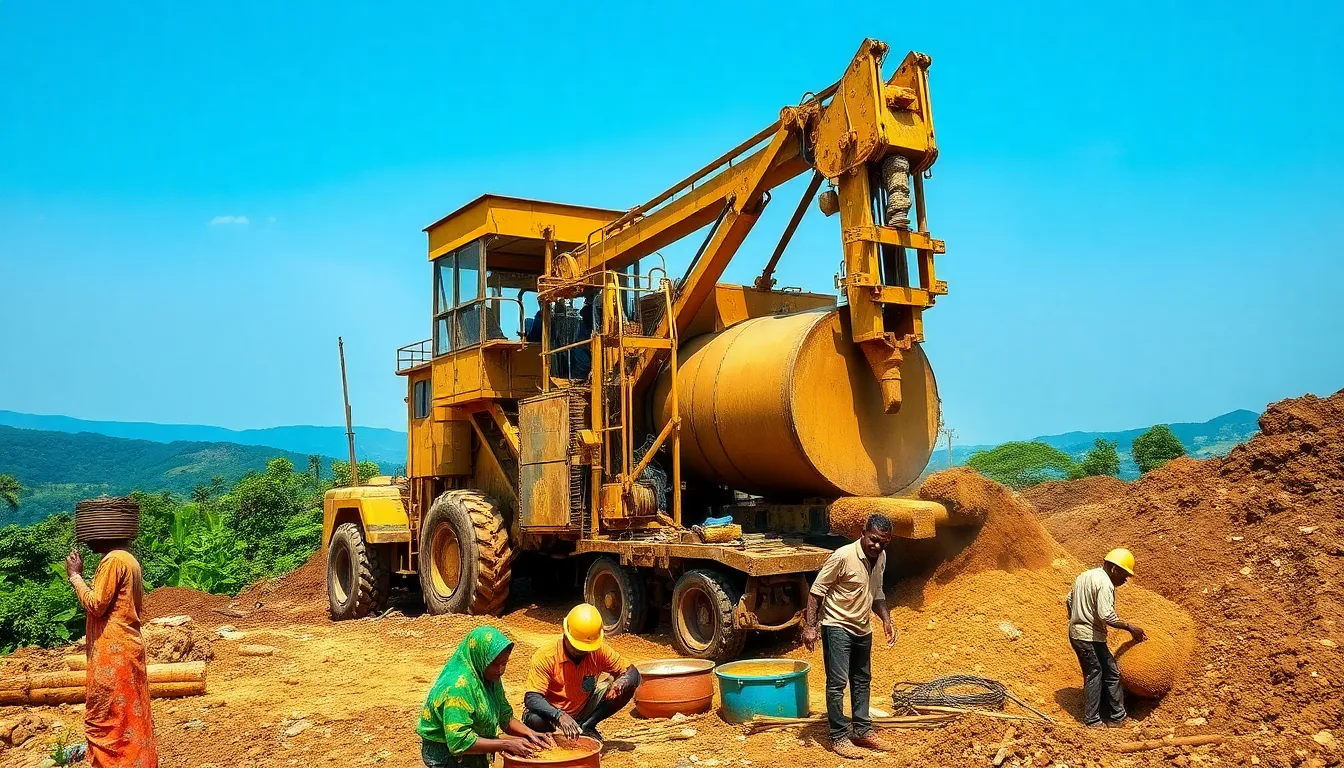
In the vast and vibrant landscape of Africa, one country shines brighter than the rest when it comes to gold exports. It’s not just a treasure trove; it’s a booming industry that’s got everyone buzzing. Imagine a nation where gold flows like water and dreams are forged in glittering bars—welcome to the world of Africa’s largest gold exporter.
With the global demand for gold skyrocketing, this country has positioned itself as a heavyweight in the market. From ancient civilizations to modern-day moguls, gold has always been a symbol of wealth and power. But why settle for a mere sprinkle of gold dust when you can dive headfirst into the glittering details? Buckle up as we explore how this nation is not just mining gold but also rewriting the rules of the game.
Overview of Africa’s Gold Market
Africa’s gold market represents a dynamic segment of the global economy, contributing significantly to the continent’s wealth. The continent houses multiple gold-producing countries, with one nation leading as the largest exporter. Recent years show notable increases in production levels, driven by enhanced mining techniques and growing international investments.
This nation’s abundant reserves and rich mineral deposits help establish its dominant position. As global demand rises, both legal and illegal mining efforts have expanded, impacting the market’s structure and governance. Increased competition from neighboring countries influences how this nation manages its gold resources.
Data from industry reports highlight that Africa accounts for approximately 20% of the world’s gold production. Major countries in Africa include South Africa, Ghana, and Mali, each producing substantial quantities. Ghana, specifically, gained prominence and has recently surpassed South Africa as the continent’s top gold producer.
The regulatory environment significantly affects operations, with various policies aimed at promoting sustainable practices. Emerging technologies also play a crucial role in optimizing extraction processes and minimizing environmental impact. Innovations in exploration techniques improve yields while conserving resources.
Investors keen on the gold market focus on potential opportunities within Africa, considering its rich deposits and shifting economic landscape. Artisanal mining remains prevalent, providing livelihoods for millions but often operating outside legal frameworks. Efforts to formalize these operations can lead to better regulation and economic growth.
As the demand for gold continues to evolve, Africa’s role as a key player in the global market remains secure. The interplay between production, investment, and regulation defines this vibrant industry and its future trajectory.
The Significance of Gold in Africa
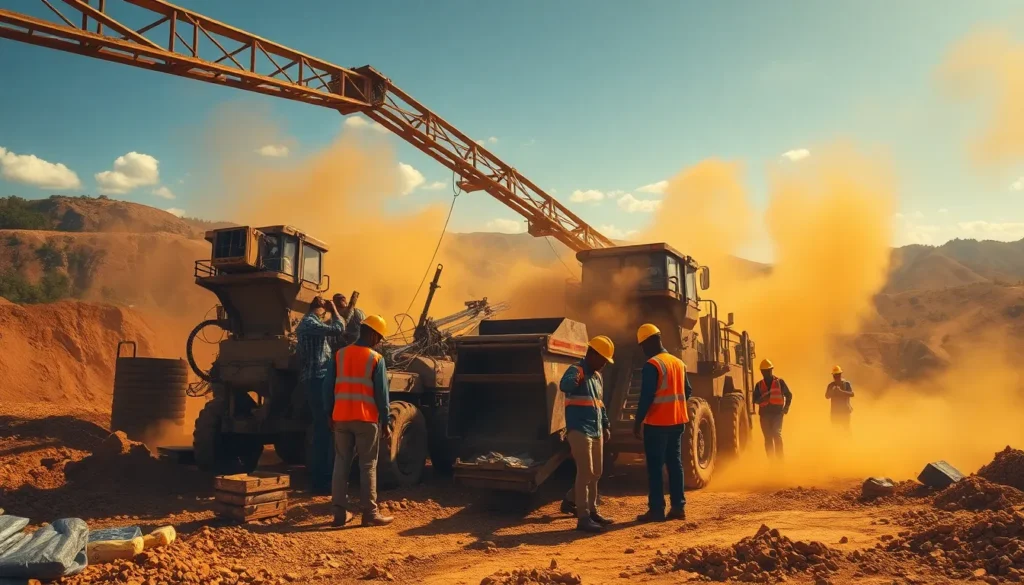
Gold plays a crucial role in Africa’s economy and society. The continent serves as a major player in the global gold market, contributing to its substantial revenue and employment.
Economic Impact
Africa’s gold industry generates significant economic proceeds. It accounts for around 20% of the world’s gold production. The sector boosts GDP for various nations, especially Ghana, which recently emerged as the largest producer. Gold mining creates numerous jobs, supporting millions of families across the region. Local businesses benefit from the influx of investment, resulting in improved infrastructure and services. Governments derive tax revenues from mining operations, which aids in public funding and development projects. Strengthening regulations enhances sustainability and attracts international investments, fostering a stable environmentfor economic growth.
Social Implications
The gold sector influences various social aspects. It provides livelihood opportunities, improving the quality of life for many. Communities near mining sites often experience an influx of resources and services, such as schools and healthcare facilities. However, the industry also presents challenges, including issues related to labor rights and environmental degradation. Illegal mining practices emerge due to economic pressures, leading to adverse effects on local populations. Balancing economic benefits with social responsibility remains crucial in achieving sustainable development. Addressing these challenges fosters a more equitable and prosperous society in Africa.
Spotlight on the Largest Exporter
Ghana stands out as Africa’s largest exporter of gold, with a significant influence on the global gold market. The country has recently surpassed South Africa, cementing its position as the leading producer in Africa.
Country Overview
Ghana’s gold production accounts for over 4.5 million ounces annually, contributing around 10% to its GDP. The nation has a rich history in gold mining, often referred to as the Gold Coast during colonial times. Favorable geology and abundant mineral deposits foster a thriving mining sector. Strong government support further strengthens the industry’s growth through investments in infrastructure and incentives for foreign companies. The country’s clear regulatory framework promotes responsible mining practices while ensuring social and environmental considerations are addressed.
Mining Operations
Mining operations in Ghana involve multiple large-scale and artisanal mines. Major companies like Newmont and AngloGold Ashanti operate significant projects, enhancing production capabilities. State-of-the-art extraction techniques boost efficiency, with companies employing advanced technologies for exploration and processing. Sustainability initiatives shape many operations, focusing on minimizing environmental impacts. Local communities benefit from economic opportunities, allowing for job creation and investment in social services. Regulatory bodies continuously monitor practices to promote compliance and protect worker rights, aiming for a balanced industry growth.
Challenges Faced by the Gold Exporter
Ghana faces multiple challenges in its gold exporting sector. Addressing these issues is crucial for maintaining its position as Africa’s largest gold exporter.
Environmental Concerns
Mining activities in Ghana significantly impact the environment. Deforestation results from both large-scale and artisanal mining practices, disrupting local ecosystems. Water contamination from mercury and other toxic substances poses health risks to communities. Air quality also suffers due to dust and emissions generated by mining operations. Sustainable practices are vital for minimizing these effects. Implementing green mining technologies can help reduce the environmental footprint. The need for a balanced approach between economic growth and environmental preservation remains paramount.
Regulatory Issues
Navigating the regulatory landscape can be challenging for gold exporters. Existing laws often lack enforcement, leading to illegal mining activities that undermine legitimate operations. Bureaucratic delays hinder timely approvals for mining projects. Clarity in regulations is essential to attract foreign investments. Streamlining processes could enhance operational efficiency. Additional training for regulators might improve oversight and compliance across the industry. Developing a transparent framework ensures accountability and encourages responsible mining practices. Effective regulation fosters a more sustainable and profitable gold export sector.
Future Prospects for Gold Exports
Ghana’s gold export sector shows promising growth opportunities driven by rising global demand. The nation can boost its production levels further, potentially increasing annual output beyond 4.5 million ounces. Enhanced mining techniques could continue improving efficiency and yield.
Emerging technologies may play a significant role in optimizing extraction processes. Companies are adopting environmentally friendly practices that align with international standards, ensuring sustainability. This shift not only addresses environmental concerns but also attracts foreign investment.
International investments are expected to increase as Ghana solidifies its position as Africa’s leading gold exporter. Strong governmental support fosters an inviting climate for foreign companies, encouraging investment in infrastructure and mining operations. With an emphasis on responsible mining practices, the industry is likely to grow while addressing social and environmental challenges.
Regulatory improvements could minimize barriers to legitimate operations, enhancing the sector’s overall performance. Strengthening the enforcement of existing laws might lead to a more balanced operating environment for legal miners. The government’s focus on transparency and accountability helps mitigate issues related to illegal mining practices.
The economic impact of gold exports remains substantial, contributing around 10% to GDP. Job creation in the gold sector supports millions of families while benefiting local businesses. Communities often see increased investment in resources and services, improving their overall quality of life.
Investments in sustainable practices promise to address deforestation and water contamination concerns. The combination of economic growth and environmental preservation yields a more resilient gold export sector moving forward.
Ghana’s rise as Africa’s largest gold exporter marks a pivotal shift in the continent’s mining landscape. With its impressive production levels and commitment to sustainable practices, Ghana is setting a benchmark for responsible gold mining. The combination of technological advancements and strong government support is likely to drive further growth in the sector.
As challenges persist, particularly regarding environmental impacts and regulatory issues, the emphasis on sustainability will be crucial for the industry’s future. By addressing these concerns, Ghana can enhance its gold export sector while ensuring economic benefits for local communities. The ongoing evolution of the gold industry in Ghana not only underscores its significance in Africa but also its potential to lead in global markets.