
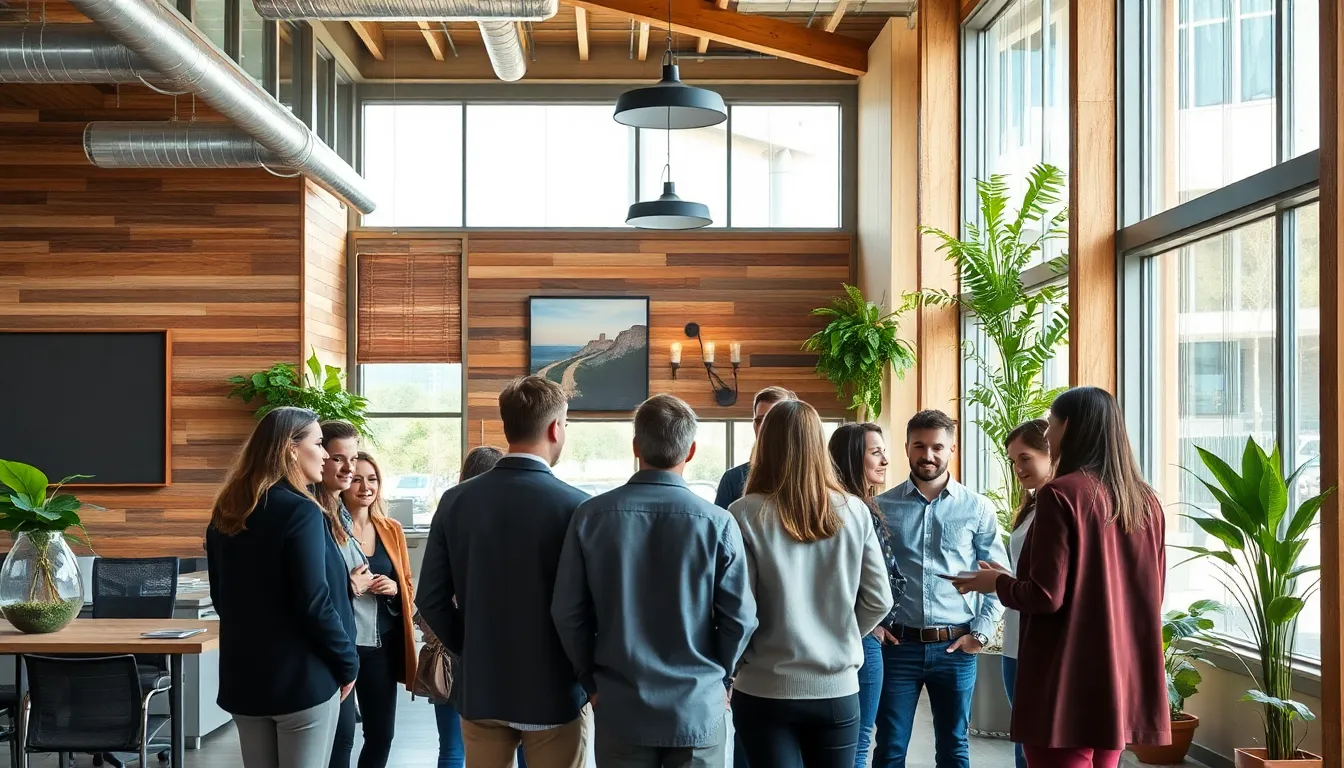
Ever walked into a commercial space in the Midwest and thought, “Wow, this place really nails it.”? The charm of Midwest commercial interiors isn’t just in their aesthetics: it’s in how they encapsulate the culture, values, and lifestyles that people in this region cherish. From the rustic appeal of barn wood to the sleek lines of modern design, there’s something uniquely compelling about these spaces. So, if you’re looking to breathe life into your office or retail environment, it’s time to explore what makes Midwest commercial interiors not only functional but downright fascinating.
Understanding Midwest Commercial Interiors
Midwest commercial interiors refer to a design style that integrates both practicality and regional identity within various commercial spaces. These interiors reflect the culture, history, and environmental nuances of states like Illinois, Wisconsin, and Minnesota.
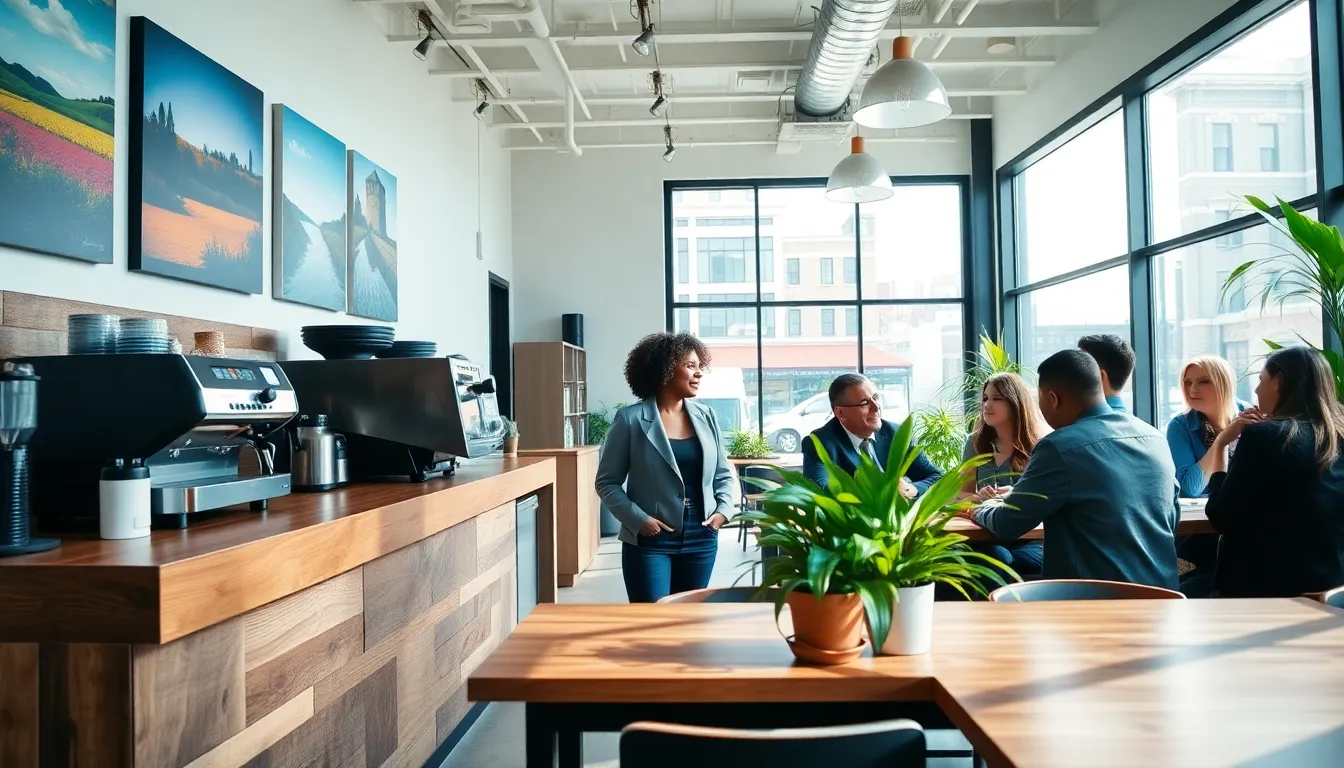
For instance, these interiors often highlight local materials, which yield not only durability but also a connection to the geography. A coffee shop in Minneapolis might showcase reclaimed wood from the surrounding areas, while an office in Chicago could feature art from local creators.
Also, a common thread in these spaces is the blend of innovative design with functionality. The professionals in this sector understand that beautiful spaces need to serve their purpose too, whether it’s maximizing office productivity or enhancing customer experience. This balance is key to understanding the essence of Midwest commercial interiors.
Key Trends in Midwest Commercial Spaces
When it comes to trends, Midwest commercial interiors are all about embracing flexibility, collaboration, and a touch of nature. Let’s dig into a handful of trends shaping this ever-evolving landscape.
1. Open Concept Layouts: Gone are the days of cubicles dominating the workplace. Modern Midwest offices welcome open designs that promote teamwork and creativity.
2. Biophilic Design: Nature is a significant design influence. Integrating plants, natural light, and water features are becoming the norm. It helps enhance mood and productivity, who wouldn’t want to work next to a little greenery on their desk?
3. Local Art: Supporting local artists is a big deal. Displaying art from regional talent not only beautifies workspaces but reinforces community ties. These pieces often tell a story, making the environment more enriching.
4. Multi-Functional Spaces: Flexibility in usage is critical. Think meeting rooms that transform into relaxation areas or lounges that can host brainstorming sessions. The goal is versatility.
These trends reflect a shift towards environments that prioritize well-being, creativity, and collaboration.
Design Elements Unique to the Midwest
Diving into the design elements of Midwest commercial interiors reveals a tapestry woven from history, culture, and practicality. Some key elements include:
1. Material Use: The Midwest loves its materials. From bricks and woods to metals, their origins often tie back to local industries. Brick walls that once served factories are now repurposed as office accents, giving spaces a unique charm.
2. Color Palette: Earthy tones dominate. Expect rich browns, soft greens, and warm grays that evoke the serenity of the surrounding landscape. These colors provide a calm backdrop while still feeling vibrant and alive.
3. Regional Motifs: Designs often incorporate motifs inspired by local flora and fauna. Subtle references to the outdoors manifest in fabrics, wall art, and architectural details. It’s a way of celebrating Midwestern heritage.
4. Functional Spaces: Local designers prioritize functionality alongside aesthetic appeal. Furniture is often crafted to meet specific needs, enhancing the overall comfort and usability of the space.
By blending these unique design elements, commercial interiors reflect a genuine sense of place and purpose.
Sustainability in Midwest Commercial Design
Sustainability is more than a trend: it’s a movement, and Midwest commercial interiors are leading the charge. Many businesses recognize that a sustainable approach not only benefits the environment, but it also appeals to a growing eco-conscious clientele.
1. Energy-Efficient Solutions: Incorporating LED lighting, energy-efficient HVAC systems, and smart technology helps reduce energy consumption. The upfront investment pays off in the long run.
2. Sustainable Materials: From recycled materials to sustainably sourced woods, the focus is on reducing carbon footprints. Designers are increasingly utilizing materials that are not only stylish but also environmentally friendly.
3. Waste Reduction: Many firms adopt waste-reduction strategies during construction. This might involve reusing materials or opting for minimalist designs that require fewer resources.
4. Indoor Air Quality: Attention is given to using paints and finishes that are low in volatile organic compounds (VOCs). Improving indoor air quality leads to healthier spaces for occupants.
These practices contribute to a more sustainable future without sacrificing design quality.
Case Studies of Successful Midwest Commercial Interiors
Understanding success stories can offer practical insights into Midwest commercial interiors. Here are a few exemplary cases:
1. The Chicago Startup Hub: This hub combines innovative design with a collaborative spirit. The open floor plan encourages interaction, while a variety of meeting spaces cater to different team dynamics. Biophilic elements are infused throughout, creating a vibrant atmosphere for creativity.
2. Minnesota’s Local Market: This space not only showcases local products but does so in an interior designed to reflect the region’s heritage. The use of reclaimed materials adds authenticity while providing a welcoming ambiance for shoppers.
3. An Indiana Tech Firm: A tech company in Indiana revamped its office with sustainability at the forefront. The project utilizes energy-efficient systems and sustainable materials, resulting in a significant reduction in energy costs while enhancing employee satisfaction.
These cases reflect a broader trend of thoughtful design that responds to both community needs and environmental concerns.
The Future of Commercial Interiors in the Midwest
Looking ahead, the future of commercial interiors in the Midwest is bright, with several potential shifts on the horizon:
1. Emphasis on Wellness: More companies are recognizing the importance of mental health and wellness. Expect designs that integrate wellness facilities like meditation rooms, exercise areas, and become standard in office environments.
2. Adaptive Reuse: As urban areas evolve, repurposing older buildings into functional commercial spaces will gain traction. This approach supports sustainability and preserves historical architecture.
3. Technology Integration: Smart tech will further transform commercial interiors. Facilities will use IoT devices that enhance environment controls, improving energy efficiency and occupant satisfaction.
4. Resilience Against Change: As we navigate constant changes, from work habits to environmental challenges, future designs will need to be adaptable. Flexibility will be a key design principle.
The next wave of Midwest commercial interiors will not only reflect the region’s charm but also its adaptability and forward-thinking ethos.

