


In a world where juggling life’s demands feels like a circus act, preferred care home health services swoop in like a superhero with a cape. Imagine having trained professionals right at your doorstep, ready to provide personalized care while you sip your morning coffee in peace. It’s like having your cake and eating it too—without the calories!
Whether it’s post-surgery recovery or managing chronic conditions, these services transform homes into havens of health. With a dash of compassion and a sprinkle of expertise, they ensure that loved ones receive the care they deserve, all while keeping the family dynamics intact. So why not trade the hospital gown for cozy pajamas? After all, who wouldn’t prefer a little TLC in the comfort of their own home?
Overview of Preferred Care Home Health Services
Preferred care home health services specialize in delivering customized medical and non-medical support in the comfort of home. Caregivers assist with various tasks, including personal hygiene, medication management, and therapy services. This approach fosters patient independence while promoting recovery in a familiar environment.
Safety and comfort define the essence of these services. Families can enjoy peace of mind knowing that their loved ones receive personalized care tailored to individual needs. Skilled professionals monitor patients, ensuring timely interventions when necessary.
Home health services like these provide valuable support for post-surgery recovery. Patients benefit from one-on-one attention, which accelerates healing and reduces the likelihood of hospital readmissions. Chronic condition management also improves significantly through regular check-ins and tailored care plans.
Patients find familiarity in their surroundings contributes to emotional well-being. Social interactions with caregivers enhance quality of life. Personalized engagement encourages participation in daily activities, building a sense of purpose.
Care providers offer flexible scheduling options, accommodating patients’ needs. This adaptability allows for services ranging from a few hours to 24/7 care. Everyone involved enjoys a collaborative experience, ensuring that family members stay informed and engaged in the care process.
Overall, preferred care home health services represent a compassionate alternative to traditional healthcare settings. They emphasize individualized care, supporting patients’ physical and emotional needs while maintaining family dynamics.
Key Services Offered
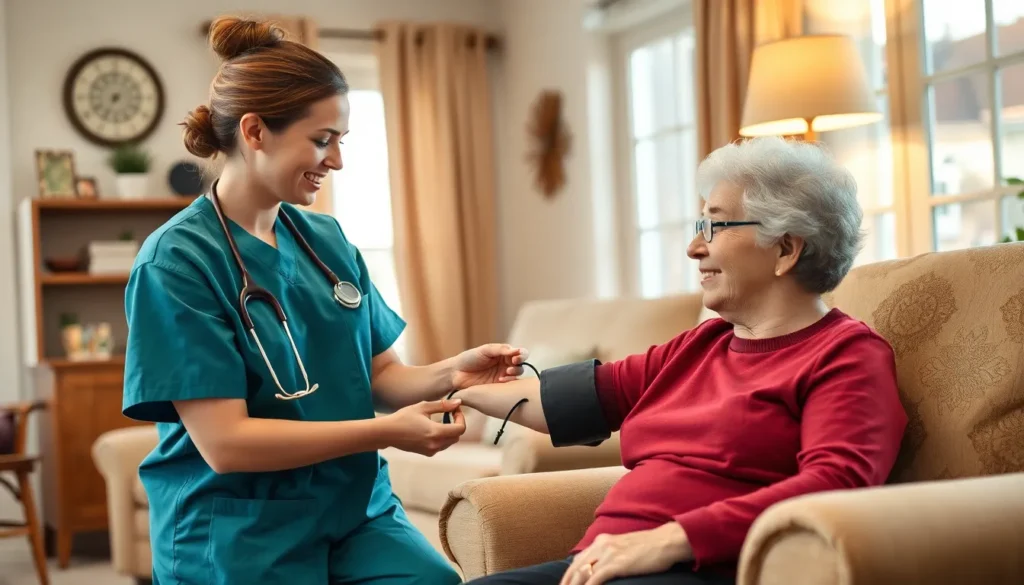
Preferred care home health services provide a variety of specialized care options, ensuring comprehensive support for patients in their homes.
Skilled Nursing Care
Skilled nursing care includes services performed by registered nurses. These professionals provide medical tasks, such as wound care, medication administration, and monitoring vital signs. They create personalized care plans tailored to individual health needs, ensuring patients receive the exact care required. Skilled nurses collaborate with physicians to adjust treatment plans when necessary. Their expertise enhances patient recovery and promotes independence.
Physical Therapy
Physical therapy aims to restore mobility and functionality through tailored exercise programs. Trained physical therapists design interventions that align with each patient’s physical abilities. They focus on pain management, strength building, and improving flexibility. Each session typically includes hands-on therapy and education on exercises that can be performed at home. Home-based physical therapy encourages consistent progress in a comfortable environment, aiding in quicker recovery.
Home Health Aide Services
Home health aide services emphasize daily living assistance for patients. Caregivers help with fundamental needs, such as bathing, dressing, and meal preparation. Personal care aides focus on enhancing quality of life through companionship and support. They maintain safety and provide social interaction, which reduces feelings of isolation for patients. Each aide tailors their assistance to the individual preferences and routines of the patient. Their presence fosters a nurturing atmosphere that promotes overall well-being.
Benefits of Home Health Services
Home health services provide numerous advantages for patients and families alike. Tailored support enhances recovery and improves quality of life.
Personalized Care Plans
Each patient receives a customized care plan designed to meet specific needs. These plans incorporate medical history, diagnosis, and personal preferences. Regular assessments ensure adjustments based on progress and changing conditions. Care teams cover various services, from skilled nursing to therapy, facilitating comprehensive care. Family involvement is encouraged during the planning process, fostering a collaborative atmosphere.
Enhanced Independence
Patients experience increased independence through home health services. Caregivers support daily living activities, allowing individuals to maintain routines in a familiar environment. Encouragement to perform tasks promotes self-sufficiency and boosts confidence. Regular interactions with caregivers contribute to emotional well-being and social engagement. Ultimately, this approach fosters a sense of control over one’s life.
Cost-Effectiveness
Home health services often present a cost-effective alternative to hospital stays. Patients avoid high hospital bills while receiving necessary care at home. Insurance typically covers a significant portion of home health services, making them accessible to more families. Reduced hospital readmissions also lead to savings, as maintaining health at home minimizes complications. Overall, the financial benefits combine with the emotional and physical advantages to create a compelling choice for care.
Challenges in Home Health Care
Home health care faces several challenges that can impact the quality of services provided. Understanding these issues is vital for ensuring effective care.
Regulatory Compliance
Regulatory compliance presents significant obstacles in home health care. Agencies must navigate a complex landscape of federal and state regulations. These rules define standards for patient care, documentation, and safety protocols. Ensuring adherence to regulations demands continuous training and monitoring. Non-compliance can lead to financial penalties or loss of licenses, negatively affecting service delivery. Providers must regularly update their practices to remain compliant, illustrating the importance of staying aware of changes in legislation.
Staffing Issues
Staffing issues also challenge home health care services. Skilled professionals often face high turnover rates due to demanding workloads and emotional stress. Finding qualified caregivers who align with organizational values can prove difficult. Competition for talent among healthcare providers intensifies the situation, leading to staffing shortages. Inadequate staffing levels compromise patient care quality and increase caregiver burnout. Organizations must prioritize recruitment and retention strategies to ensure stability and high-quality service delivery.
Preferred care home health services offer invaluable support for individuals seeking personalized care in the comfort of their homes. By prioritizing patient independence and well-being, these services not only enhance recovery but also foster emotional stability. Families can rest easy knowing their loved ones receive tailored attention from skilled professionals.
While challenges exist within the home health care landscape, the benefits far outweigh the drawbacks. The flexibility and adaptability of these services make them an appealing choice for many. Ultimately, preferred care home health services stand as a compassionate alternative to traditional healthcare, ensuring that patients’ physical and emotional needs are met while maintaining family dynamics.