
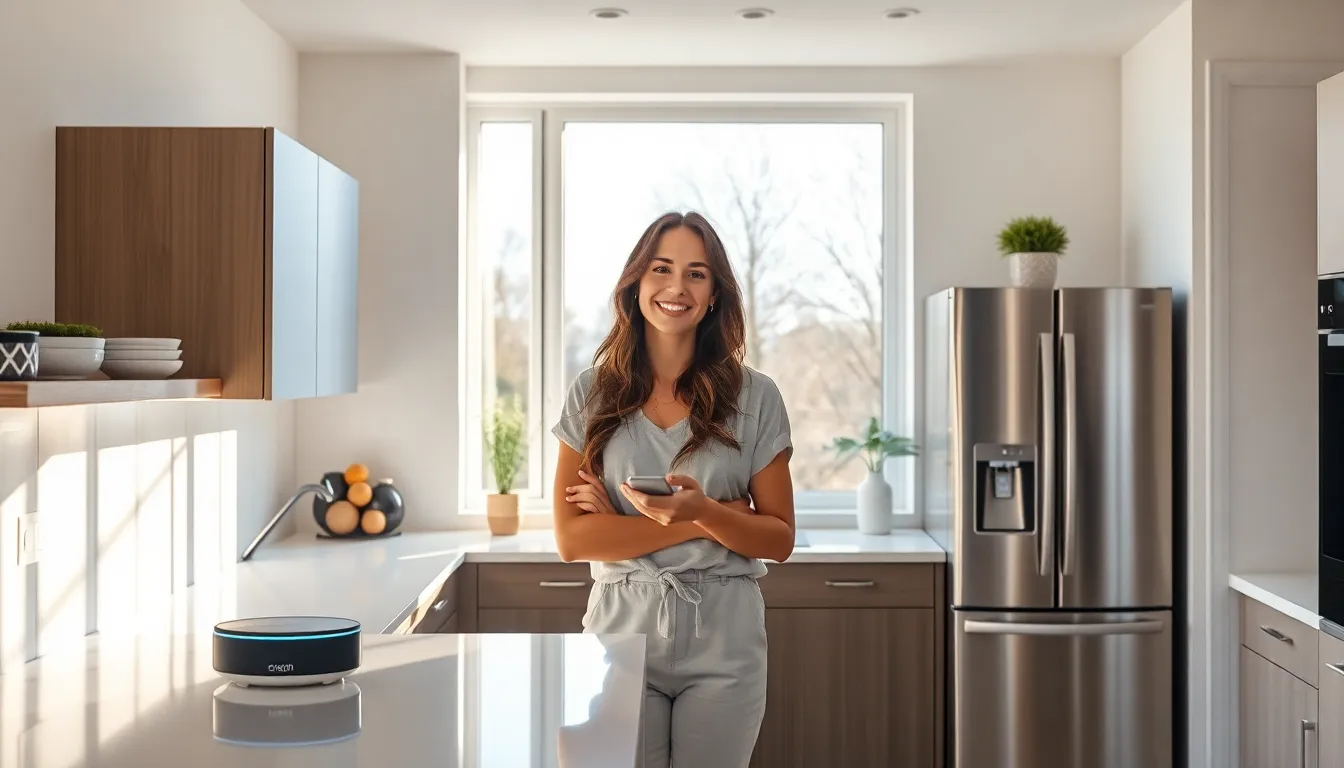
Imagine waking up to the smell of freshly brewed coffee, the curtains gently parting to let in the morning sun, and your favorite playlist serenading you as you start the day. Welcome to the world of smart home integration, where technology does the heavy lifting while you kick back and enjoy life. It’s not just about convenience; it’s about transforming your living space into a personal assistant that knows your preferences better than your best friend.
With smart devices communicating seamlessly, homeowners can control everything from lighting to security systems with just a tap or a voice command. No more fumbling with light switches or worrying if you left the oven on. Smart home integration isn’t just a trend; it’s a lifestyle upgrade that brings comfort, efficiency, and a sprinkle of fun into daily routines. So, let’s dive into how you can turn your home into the ultimate smart sanctuary.
Understanding Smart Home Integration
Smart home integration refers to the seamless connection of devices and systems within a home. It enhances daily life by creating an interconnected ecosystem that simplifies tasks and increases efficiency.
What Is Smart Home Integration?
Smart home integration combines various smart devices to create a cohesive intelligent environment. This concept goes beyond individual gadgets. It involves coordinating devices like security cameras, lights, thermostats, and voice assistants. When integrated, these devices communicate with each other to enhance comfort and control. For instance, adjusting the thermostat and lights simultaneously upon entering a room epitomizes this technology’s convenience.
Key Components of Smart Home Systems
Smart home systems consist of several vital components that work together. These components include sensors, smart appliances, and hubs. Sensors monitor environmental conditions like temperature and motion, ensuring efficient operation. Smart appliances, from refrigerators to washing machines, offer advanced features that save energy and time. Hubs serve as central controllers, allowing users to manage all connected devices from a single interface. Together, these elements form a comprehensive smart home ecosystem that maximizes functionality and enhances the homeowner’s experience.
Benefits of Smart Home Integration
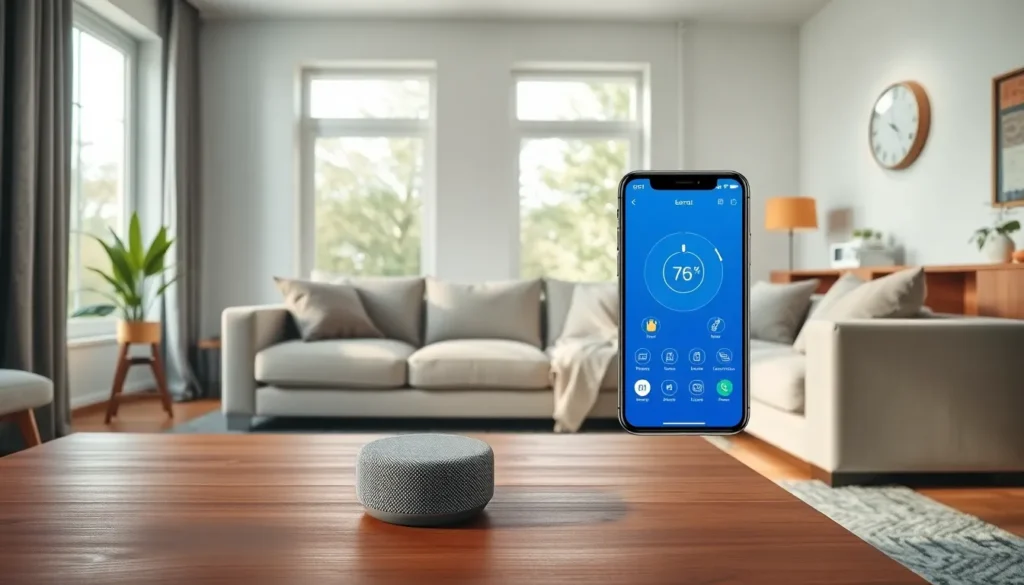
Smart home integration provides homeowners with transformative advantages that simplify daily tasks and improve overall comfort. This technology enhances lifestyles by promoting efficiency and ease of use.
Enhanced Convenience and Control
Smart home integration offers users increased convenience through seamless operation of devices. Homeowners can control lighting, heating, and security systems via mobile apps or voice commands. This capability eliminates the need for remote controls, making everyday tasks simpler. Additionally, routines can be programmed to automate actions, such as adjusting thermostats when occupants leave the house. With real-time monitoring, homeowners receive notifications about potential issues, further enhancing peace of mind.
Increased Energy Efficiency
Energy efficiency becomes a significant advantage with smart home integration. Smart thermostats learn preferences and optimize heating or cooling schedules based on occupancy patterns. This feature can lead to a reduction in energy consumption and lower utility bills. Smart lighting systems also contribute by adjusting brightness based on natural light availability. Sensors in smart devices detect when rooms are unoccupied, automatically shutting off appliances to save energy. Consequently, this integrated approach to home management fosters sustainable living and long-term cost savings.
Popular Smart Home Devices
Smart home devices play a crucial role in enhancing everyday convenience and efficiency within households. These devices include various categories, each contributing to an integrated, user-friendly environment.
Smart Hubs and Controllers
Smart hubs and controllers serve as the central command for various connected devices. They facilitate communication between devices, enabling seamless interactions. Examples include Amazon Echo and Google Nest Hub, which allow users to control lighting, thermostat settings, and security cameras from a single interface. Remote access becomes possible through mobile apps, providing homeowners flexibility to manage their smart environments. Compatibility with multiple devices enhances user experience, allowing integration across different brands. Sensors and devices can also receive automated commands via these hubs, increasing functionality and ease of use.
Smart Appliances
Smart appliances revolutionize kitchen and home tasks through automation and connectivity. Devices such as smart refrigerators and ovens allow scheduling and monitoring from smartphones, streamlining meal preparation. Energy-efficient models often optimize energy usage based on usage patterns, saving money on utility bills. Smart washing machines offer remote start options and cycle monitoring, improving laundry routines. Voice control features in these appliances enhance accessibility, making cooking and cleaning more manageable. Smart appliances embody the future of home convenience, merging technology with everyday household tasks.
Challenges in Smart Home Integration
Smart home integration comes with specific challenges that can complicate implementation. These hurdles often arise from compatibility, security, and privacy concerns.
Compatibility Issues
Compatibility remains a primary challenge in smart home integration. Many devices use different communication protocols and standards. This lack of uniformity leads to difficulties in ensuring that all devices work seamlessly together. Some manufacturers prioritize proprietary technologies, limiting users’ options to select compatible products. Homeowners may experience frustration when attempting to connect devices from various brands. Opting for a smart hub that supports multiple protocols can alleviate many compatibility issues. Choosing compatible devices during the initial setup can simplify future integrations.
Security and Privacy Concerns
Security and privacy concerns frequently accompany smart home technologies. Each connected device introduces potential vulnerabilities that could be exploited by cybercriminals. Hackers can potentially gain access to personal information through unsecured networks or outdated firmware. Homeowners must practice diligent cybersecurity measures, such as regularly updating software and using strong passwords. Failing to implement these practices can expose personal data and compromise home security. Furthermore, privacy policies vary among manufacturers, leading to uncertainty regarding data collection and sharing. It’s crucial for users to research these policies to protect their information effectively.
Future Trends in Smart Home Integration
Innovative advancements shape the future of smart home integration. Emerging technologies emphasize automation and user experience.
Advances in AI and Machine Learning
Artificial intelligence and machine learning play pivotal roles in enhancing smart home systems. These technologies enable devices to learn user preferences and adjust settings automatically. Smart thermostats adapt to residential patterns, optimizing energy usage for cost savings. Voice assistants powered by AI provide intuitive responses, streamlining interactions with various devices. Predictions based on historical data contribute to proactive before issues arise. Manufacturers are integrating advanced algorithms, increasing efficiency and user satisfaction significantly.
The Role of IoT in Smart Homes
The Internet of Things (IoT) connects devices seamlessly in smart home environments. This connectivity fosters real-time communication between appliances, enhancing overall functionality. Smart sensors monitor temperature, lighting, and security, alerting homeowners of any changes instantly. Cloud computing facilitates data storage and analysis, allowing for remote control of various systems. Increased interoperability among devices promotes a smoother user experience. As IoT technologies evolve, they will continue to merge, creating comprehensive automated ecosystems that work effortlessly together.
Smart home integration is reshaping how homeowners experience their living spaces. By creating an interconnected ecosystem of devices, it simplifies daily tasks and enhances comfort. The convenience of managing everything from lighting to security through mobile apps or voice commands is a game changer.
As technology continues to evolve, the potential for smarter homes only grows. Homeowners can look forward to increased energy efficiency and improved security measures as innovations like AI and IoT further enhance integration. With the right tools and knowledge, transforming a home into a smart sanctuary is not just achievable but also rewarding. Embracing smart home integration means stepping into a future where daily life is more efficient and enjoyable.

