

Table of Contents
ToggleChoosing the right refrigerator size can feel like threading a needle, too small and you’re constantly playing Tetris with leftovers, too large and you’re wasting energy cooling empty space. For most households, the 18 cubic foot refrigerator hits that sweet spot between capacity and efficiency. It’s compact enough to fit in standard kitchen layouts without dominating the room, yet spacious enough to handle weekly grocery hauls and meal prep for families. Whether you’re upgrading a dated model or outfitting a new kitchen, understanding what makes an 18 cu ft unit tick, and how to pick the right one, can save you headaches, counter space, and a few bucks on your electric bill.
Key Takeaways
- An 18 cu ft refrigerator offers the ideal balance of capacity and energy efficiency for families of three to four, aligning with USDA guidelines of 4–6 cubic feet per adult while consuming only 400–500 kWh annually.
- Top-freezer configurations dominate the 18 cubic foot market and provide the best energy efficiency and affordability at $500–$900, making them the most practical choice over bottom-freezer or side-by-side models.
- Prioritize adjustable glass shelving, humidity-controlled crisper drawers, deep door bins, and LED lighting when selecting an 18 cu ft refrigerator to maximize usability and food preservation.
- Careful space measurement including door swing clearance, ventilation requirements, and delivery path access is essential to prevent installation failures and ensure proper compressor function.
- Regular maintenance—cleaning condenser coils every six months, checking door seals quarterly, and monitoring temperature—can extend your refrigerator’s lifespan to 15–20 years and reduce energy costs by 5–10%.
Why 18 Cu Ft Is the Ideal Capacity for Most Households
An 18 cu ft refrigerator isn’t just a compromise, it’s a practical match for how most people actually live. Families of three to four, couples who cook regularly, or even single folks who meal-prep will find this size handles their needs without excess.
The math works out cleanly: USDA guidelines suggest 4–6 cubic feet per adult, plus an extra 1–2 cubic feet for each child. That puts a household of four right in the 16–20 cubic foot range. An 18 cf refrigerator slots neatly into that window, offering enough fridge and freezer space to store a week’s groceries, bulk meat purchases, and the inevitable leftovers without cramming shelves.
From a footprint perspective, most 18 cu ft models measure around 30 inches wide, which fits standard cabinet openings and leaves room for door swing clearance. This is crucial in galley kitchens, older homes with tighter layouts, or renovations where you’re not ripping out cabinetry. Larger 22+ cubic foot units often stretch to 33–36 inches, forcing cabinet modifications or sacrificing valuable counter space.
Energy consumption also favors mid-size units. An 18 cubic foot model typically pulls 400–500 kWh annually, compared to 600+ kWh for larger French-door or side-by-side units. Over a 10–15 year lifespan, that difference adds up, especially with fluctuating electricity rates. ENERGY STAR-certified models in this size class can drop consumption even further, sometimes into the 350 kWh range.
Key Features to Look for in an 18 Cu Ft Refrigerator
Not all 18 cubic foot refrigerators are built the same. Interior layout, shelving flexibility, and build quality separate the workhorses from the frustrating compromises.
Adjustable shelving is non-negotiable. Look for models with at least three full-width glass shelves that slide or flip up, this lets you accommodate tall pitchers, sheet cakes, or bulky containers without playing Jenga. Spill-proof glass shelves with raised edges contain leaks and make cleanup easier than wire racks.
Crisper drawers should be deep enough for heads of lettuce or celery bunches without crushing. Humidity controls on at least one drawer help keep greens crisp and fruits from rotting prematurely. Some models include a deli drawer or half-width meat compartment with adjustable temperature, handy for storing cheese, deli meats, or thawing tomorrow’s dinner safely.
Door bin configuration matters more than you’d think. Deep, adjustable gallon-size bins on both doors provide flexible storage for milk, juice, and condiments. Shallow bins are fine for butter or small jars, but if your household goes through gallons of milk weekly, you need the depth.
Interior lighting has improved dramatically in recent years, with LED systems replacing incandescent bulbs. LEDs last longer, run cooler, and illuminate corner shelves that older models left in shadow. Appliance reviews consistently rate bright, even lighting as a top user satisfaction factor.
Energy Efficiency and Smart Technology
Energy efficiency isn’t just about saving money, it’s about reducing wear on the compressor and extending appliance life. ENERGY STAR certification is the baseline: it guarantees the unit meets EPA standards for efficiency without sacrificing performance.
Look for inverter compressors rather than traditional on/off models. Inverter technology modulates cooling output based on demand, running more quietly and maintaining more consistent temperatures. This reduces energy spikes and minimizes temperature fluctuations that can spoil food.
Smart features are creeping into mid-range models but remain optional. Wi-Fi connectivity, door-open alerts, and app-based temperature controls add convenience but aren’t essential. If you’re deciding between a basic Whirlpool 18 cu ft refrigerator with solid build quality and a feature-packed model from an unfamiliar brand, lean toward proven reliability. Compressors and sealed systems matter more than touchscreens.
Noise levels vary widely. Units rated under 40 decibels run whisper-quiet: anything above 45 dB becomes noticeable in open-plan kitchens. Check manufacturer specs or read user reviews, some budget models hum or rattle enough to annoy light sleepers in adjacent rooms.
Top Style Options: Which Configuration Works Best?
The 18 cubic foot sweet spot appears across three main configurations: top-freezer, bottom-freezer, and occasionally compact side-by-side models. Each has trade-offs in ergonomics, energy use, and price.
Top-freezer refrigerators dominate the 18 cu ft category. An 18 cu ft top freezer refrigerator typically splits capacity 12–13 cubic feet for the fridge, 5–6 for the freezer. This classic layout puts fresh food at waist-to-shoulder height, ideal for daily access, while the freezer sits above eye level. They’re the most energy-efficient configuration because cold air naturally sinks, reducing compressor work. Expect to pay $500–$900 for a solid mid-range model.
Bottom-freezer units reverse the layout, placing the freezer in a pull-out drawer below the fridge compartment. This suits households that access fresh food more often than frozen items, eliminating the need to bend for milk or produce. But, bottom-freezers cost 15–25% more than equivalent top-freezer models and consume slightly more energy due to heat transfer dynamics. They’re worth it if you have back or knee issues that make frequent bending painful.
Side-by-side configurations are rare in 18 cubic foot models, most start at 20+ cu ft, but a few compact versions exist. These offer convenient eye-level access to both fresh and frozen items but sacrifice shelf width. Wide pizza boxes, sheet cakes, or party platters often won’t fit. Kitchen design trends lean toward French-door and bottom-freezer layouts in larger sizes, but for 18 cu ft, top-freezer units still make the most practical and affordable sense.
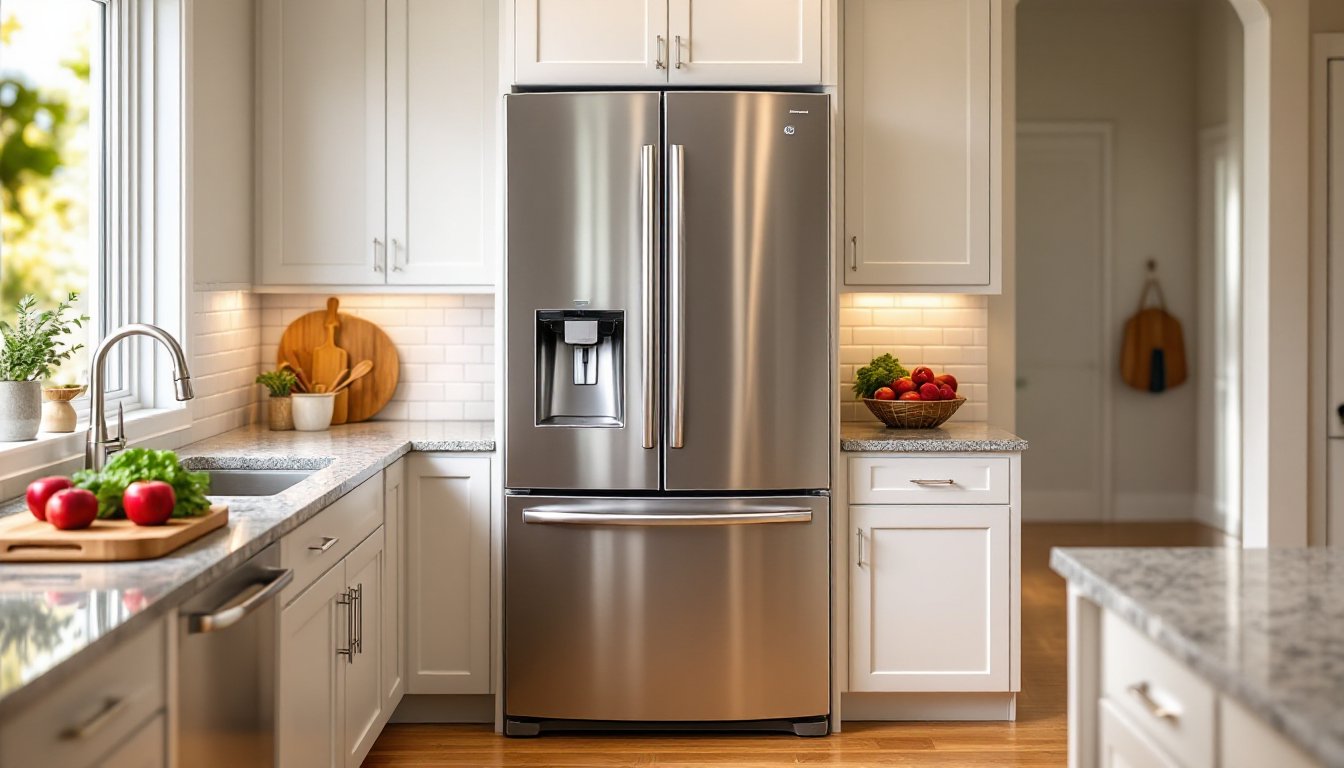
Finish options include classic white, black, stainless steel, and slate. Stainless resists fingerprints if you choose a smudge-resistant coating, but adds $100–$200 to the price. White or black painted finishes clean easily and suit traditional or minimalist kitchen styles without the upcharge.
Measuring Your Space and Planning for Installation
Measure twice, order once. Refrigerator installations go sideways when homeowners eyeball dimensions or forget to account for door swing and ventilation clearance.
Start by measuring the width, depth, and height of your intended space. Standard 18 cubic foot models run about 30 inches wide, 30–33 inches deep (excluding handles), and 65–67 inches tall. Write down your opening dimensions and compare them to the manufacturer’s spec sheet, not the marketing material, the actual installation guide PDF.
Add clearance. Most manufacturers require 1 inch on each side and 1–2 inches above for air circulation around the condenser coils. Without it, the compressor works harder, runs hotter, and fails earlier. If you’re replacing an old built-in unit, check whether the new model’s depth matches. Modern refrigerators often project slightly beyond standard 24-inch cabinet depth: factor in door handles, which can add another 2–3 inches.
Door swing is where installations fail. A 30-inch-wide fridge needs at least 32–34 inches of clearance when the door opens 90 degrees. If your kitchen has an island, peninsula, or adjacent wall, mock up the swing with cardboard or painter’s tape on the floor. You don’t want to discover after delivery that the door can’t fully open without hitting the island corner.
Check your delivery path. Measure doorways, hallways, and stairwells if you live in a multi-story home or apartment. Standard exterior doors are 36 inches wide, but interior doorways often narrow to 30–32 inches. If the fridge ships in its factory box, add 2–4 inches to the unit’s dimensions. Remove doors from tight doorways if necessary, most refrigerator doors and hinges can be removed with a screwdriver and socket wrench.
Electrical and plumbing prep is straightforward for standard models. You’ll need a grounded 120V outlet within 6 feet of the unit’s location, avoid extension cords, which violate most manufacturer warranties and code. If your model includes an ice maker or water dispenser, you’ll need a 1/4-inch water supply line. This requires a saddle valve or T-fitting on a nearby cold water pipe. If you’re not comfortable soldering copper or working with PEX, hire a plumber for an hour. Home improvement guides walk through the steps, but a botched water connection can flood your kitchen.
Maintenance Tips to Extend Your Refrigerator’s Lifespan
A well-maintained refrigerator runs 15–20 years. Neglect basic upkeep and you’re lucky to hit 10.
Clean the condenser coils every six months. These coils, located on the back or beneath the unit, dissipate heat from the cooling system. Dust, pet hair, and kitchen grease coat them over time, forcing the compressor to work harder. Unplug the fridge, pull it away from the wall, and vacuum the coils with a brush attachment or use a coil brush (available at hardware stores for under $10). This single task can cut energy consumption by 5–10% and prevent premature compressor failure.
Check door seals (gaskets) quarterly. Close the door on a dollar bill: if you can pull it out without resistance, the seal is worn. Damaged gaskets let warm air infiltrate, making the compressor cycle constantly. Most gaskets can be replaced for $50–$100 and snap or screw into place without tools, check your model’s parts diagram.
Set proper temperatures: 37–38°F for the fridge, 0°F for the freezer. Use an appliance thermometer (not the built-in dial, which drifts over time) to verify. Temperatures above 40°F risk bacterial growth: below 35°F can freeze lettuce and milk.
Defrost manual-defrost freezers before ice buildup exceeds 1/4 inch. Frost acts as insulation, reducing efficiency. Even frost-free models benefit from an annual cleanout, wipe down shelves, toss expired items, and vacuum crumbs from crisper tracks.
Level the unit front-to-back and side-to-side using the adjustable feet at the base. A slight tilt (1/4 inch higher in front) helps doors close on their own, but excessive lean strains hinges and seals. Use a carpenter’s level and adjust the feet with a wrench.
Replace the water filter every six months if your model has one. Clogged filters reduce flow to ice makers and dispensers, and can harbor bacteria. Mark filter change dates on a calendar or set a phone reminder.
Conclusion
An 18 cubic foot refrigerator delivers practical capacity without the bulk or energy penalty of oversized models. Focus on proven brands with inverter compressors, adjustable shelving, and solid warranty coverage. Measure your space carefully, plan for door swing and ventilation, and commit to basic maintenance, clean coils, check seals, and monitor temperatures. Do that, and your mid-size fridge will keep food fresh and your kitchen running smoothly for the next 15 years.