

Table of Contents
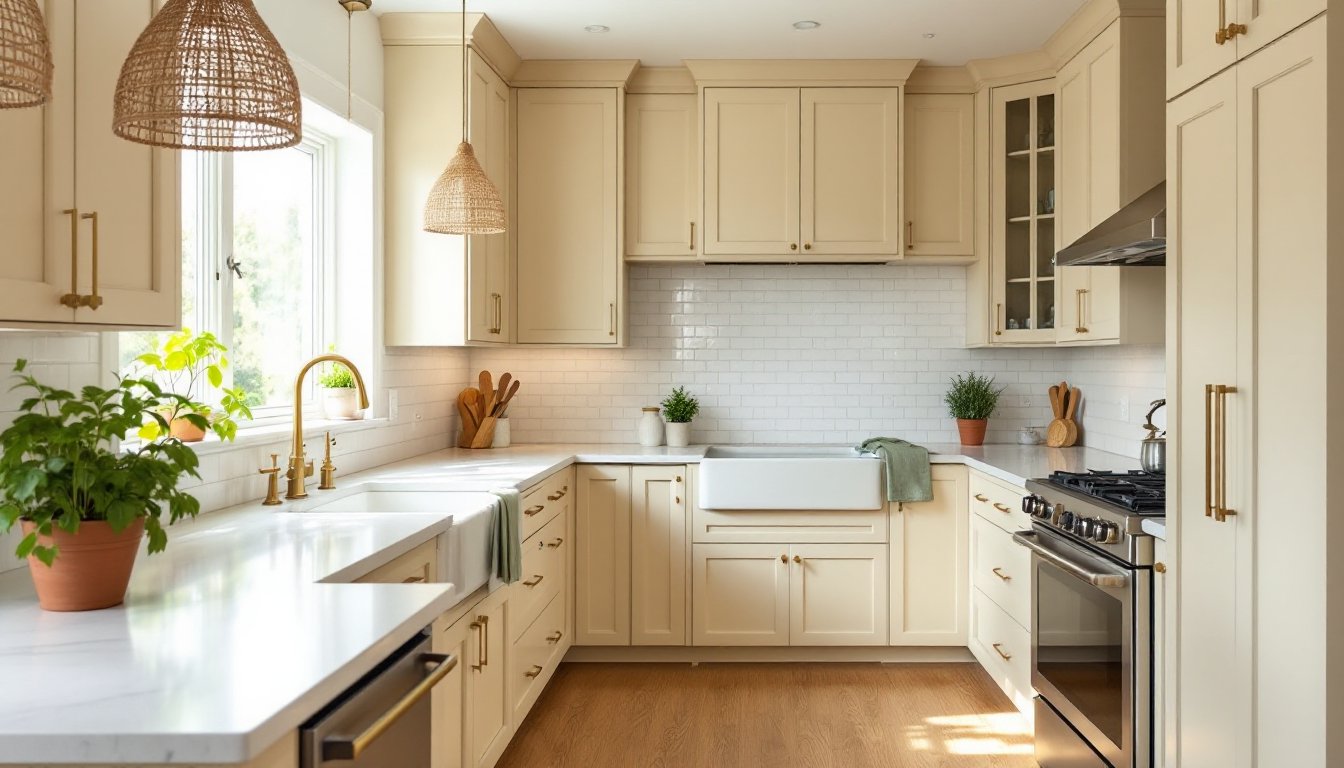
ToggleBeige kitchen cabinets have roared back into the design conversation, and for good reason. They strike a balance between the starkness of white and the heaviness of darker wood tones, offering warmth without overwhelming a space. If someone’s planning a kitchen refresh in 2026, beige cabinetry delivers flexibility, resale appeal, and a canvas that works with nearly any countertop or backsplash material. Unlike trendy colors that date quickly, beige tones, whether cream beige, tan, or warm beige, adapt to shifts in hardware, flooring, and wall color. This guide walks through shade selection, material pairings, finishing techniques, and the practical steps to either paint existing cabinets or spec new ones in beige tones.
Key Takeaways
- Beige kitchen cabinets balance warmth and openness while hiding daily wear better than white and accommodating multiple design styles without looking dated.
- Popular beige cabinet shades include warm beige with yellow undertones, tan with neutral-brown bases, and cream beige on the lighter end—each suited to different lighting conditions and kitchen aesthetics.
- Pair beige cabinetry with quartz, granite, or natural stone countertops and subway or hexagonal backsplash tile to create a cohesive, understated look that complements rather than competes with cabinet warmth.
- Hardware choices like brushed brass, matte black, or brushed nickel add personality to beige kitchen cabinets while maintaining design cohesion when matched with faucet finishes.
- DIY painting of beige cabinets requires thorough prep work including degreasing, sanding, and priming, followed by two thin coats of cabinet-grade paint and 7–14 days of curing before reassembly.
- Enhance beige cabinet kitchens with layered textures through textiles, open shelving, warm LED lighting (2700–3000K), and muted accent colors to prevent the space from feeling flat or sterile.
Why Beige Kitchen Cabinets Are Having a Major Moment
Beige cabinets landed back in favor because they solve real design problems. White kitchens show every fingerprint and coffee splash: dark cabinets close in smaller spaces. Beige splits the difference. It hides daily wear better than white, reflects enough light to keep a room feeling open, and pairs cleanly with stainless steel appliances, brass hardware, and natural stone.
From a resale perspective, beige reads as neutral to most buyers. It doesn’t polarize the way bold colors can, and it doesn’t feel cold like stark white or gray. Real estate agents consistently note that warm neutrals photograph well and appeal to a broad demographic. That’s critical in competitive markets where listing photos drive showings.
Beige also plays well with the current shift toward natural materials, think white oak floors, soapstone counters, and linen textiles. Cream beige kitchen cabinets complement these finishes without competing. The color anchors a room while letting other elements shine. And because beige spans a wide spectrum (from sandy tan to greige to warm taupe), it accommodates personal style without locking someone into a single aesthetic.
Finally, beige tones suit both painted and stained finishes. A homeowner can achieve the look with a high-quality cabinet paint or by selecting a wood species that naturally leans beige, like maple with a clear or honey-toned stain. That versatility makes beige a practical choice whether someone’s painting existing boxes or ordering custom cabinetry.
The Best Beige Cabinet Shades and Finishes to Consider
Not all beiges are created equal. The undertone, yellow, pink, gray, or green, determines how a beige reads in a given light. Before committing to a shade, test samples on cabinet doors in both natural and artificial light. Paint or stain looks different under LED bulbs versus daylight streaming through a south-facing window.
Warm beige kitchen cabinets carry yellow or honey undertones. These work well in kitchens with limited natural light, as they add warmth and prevent the space from feeling drab. They pair cleanly with oil-rubbed bronze hardware and butcher-block countertops. But, they can clash with cool gray tile or stainless backsplashes if the undertones don’t align.
Tan kitchen cabinets lean slightly more neutral, often with a subtle brown or taupe base. Tan reads as grounded and works in transitional or farmhouse-style kitchens. It’s forgiving with wood grain if someone’s staining rather than painting. Tan also complements both warm and cool metal finishes, making it easier to swap hardware down the line.
Cream beige sits at the lighter end of the spectrum, closer to off-white but with enough warmth to avoid the sterile feel of pure white. It’s a solid choice for smaller kitchens or spaces with dark floors, as it maximizes light reflection. Cream beige also ages gracefully, minor scuffs and chips blend in better than they do on stark white.
Popular Beige Paint Colors and Stains for Cabinets
For painted cabinets, Benjamin Moore’s Edgecomb Gray (HC-173) is a go-to. Even though the name, it’s a warm greige with beige undertones that shifts throughout the day. Sherwin-Williams Accessible Beige (SW 7036) is another reliable option, true to its name, it works in nearly any lighting condition and pairs with most countertop materials.
If someone’s staining, maple with a natural or honey stain delivers a clean, light beige. For a slightly darker tan, white oak with a weathered or driftwood stain offers grain character without going too rustic. Pre-mixed stains like Minwax’s Natural or Early American on lighter hardwoods produce consistent beige tones.
Finish sheen matters. Satin or semi-gloss paint holds up better in high-traffic kitchens and wipes clean more easily than flat or eggshell. For stained cabinets, a matte or satin polyurethane topcoat protects the wood while maintaining a natural appearance. High-gloss finishes can highlight imperfections in both paint and stain, so reserve those for newer, flawless cabinet boxes.
Pairing Countertops and Backsplashes with Beige Cabinets
Beige cabinets give wide latitude in countertop selection. Quartz in whites, grays, or soft veining works cleanly, brands like Caesarstone and Cambria offer dozens of neutral patterns that won’t clash. For a warmer look, butcher-block counters in maple or birch echo the cabinet tone and add texture. Keep in mind butcher-block requires regular oiling and isn’t ideal near sinks unless properly sealed.
Granite remains a solid mid-range choice. Patterns like Bianco Romano or Kashmir White provide subtle movement without overwhelming beige cabinetry. Darker granites (Uba Tuba, Black Pearl) create high contrast, which can work in larger kitchens but may feel heavy in compact spaces.
For backsplashes, subway tile in white or cream is failsafe. A 3×6-inch layout with light gray grout keeps things classic without looking dated. Those wanting more visual interest can try hexagonal or arabesque tile patterns in neutral glazes. Glass tile in soft gray or taupe adds a touch of sheen and reflects light, particularly useful in kitchens with limited windows.
Natural stone backsplashes, like travertine or honed marble, pair beautifully with warm beige cabinets. The key is matching the stone’s undertone to the cabinet’s. If the cabinets lean yellow, choose stone with warm veining. If they’re more greige, cooler stone works better. Avoid high-contrast patterns (like black-and-white marble) unless the rest of the kitchen’s palette supports it. Balance is critical: beige cabinets shine when surrounded by cohesive, understated materials.
Hardware and Fixture Choices That Complement Beige Cabinetry
Hardware is where personality enters a beige kitchen. Brushed brass or champagne bronze pulls and knobs add warmth and a touch of elegance without feeling overly formal. These finishes have staying power, they’ve been in rotation since the early 2010s and show no signs of fading.
Matte black hardware creates strong contrast against lighter beiges. It works particularly well in modern or industrial-leaning kitchens. Pair black pulls with a black faucet and range hood for a cohesive look. Just be aware that fingerprints show on matte black, so plan for regular wiping.
Brushed nickel or stainless steel remains the safest route. It’s budget-friendly, widely available, and complements stainless appliances. If someone’s uncertain about the long-term direction of the kitchen’s style, nickel is a neutral starting point that’s easy to swap later.
For cabinet hardware shapes, bar pulls (3–5 inches in length) suit shaker-style doors and drawers. Cup pulls work well on drawers in farmhouse or traditional kitchens. Knobs are fine for upper cabinets, but pulls offer better ergonomics on lower drawers, especially heavy pot-and-pan storage.
Faucet finish should match or complement the hardware. A bridge-style faucet in brushed brass pairs cleanly with warm beige cabinets and creates a focal point over the sink. For a streamlined look, a single-handle pull-down faucet in the same finish as the cabinet hardware keeps sight lines clean. Avoid mixing more than two metal finishes in a single kitchen, things get visually chaotic fast.
Styling Your Beige Kitchen: Décor and Color Accent Ideas
Beige cabinets act as a neutral backdrop, so layering in color and texture prevents the space from reading flat. Start with textiles, linen dish towels, woven placemats, or a runner in muted terracotta or sage green add warmth without permanent commitment.
Open shelving (if structurally feasible) breaks up upper cabinets and gives space to display pottery, glassware, or cutting boards. Choose items in complementary tones: creamy whites, soft grays, natural wood. Avoid clutter, three to five curated pieces per shelf is plenty.
For wall color, soft whites or pale grays keep things airy. If someone wants more saturation, try a muted green (like Sherwin-Williams Retreat or Benjamin Moore Saybrook Sage) on a single accent wall or island. Deeper tones, navy, charcoal, or even black, can work on a kitchen island if the rest of the cabinetry stays beige. This creates a two-tone effect that’s grown popular in contemporary kitchen designs without requiring a full repaint.
Lighting fixtures matter more than many DIYers realize. Pendant lights over an island in natural materials, rattan, wood, or frosted glass, soften the overall look. Under-cabinet LED strips (2700–3000K color temperature) provide task lighting and enhance the warmth of beige finishes. Avoid cool white LEDs (5000K+): they’ll make beige cabinets look dingy.
Plants bring life into beige kitchens. A potted herb garden on a windowsill or a trailing pothos on top of upper cabinets adds organic texture. Stick to real plants if light allows, faux greenery dates quickly and gathers dust.
DIY Tips for Painting or Refinishing Cabinets in Beige Tones
Painting cabinets is a high-impact DIY project, but it’s labor-intensive and unforgiving if prep steps are skipped. Budget at least a full weekend for an average-sized kitchen (20–30 cabinet doors and drawer fronts), longer if working solo.
Step 1: Remove all doors, drawers, and hardware. Label each door with painter’s tape and a number corresponding to its location. This saves headaches during reinstallation. Remove hinges and pulls: don’t paint over them.
Step 2: Clean and degrease. Use TSP (trisodium phosphate) or a heavy-duty degreaser. Kitchens accumulate grease film that prevents paint adhesion. Scrub thoroughly, rinse, and let dry completely.
Step 3: Sand all surfaces. Use 120-grit sandpaper to scuff existing finishes (paint or stain). The goal isn’t to strip to bare wood, just rough up the surface so primer grabs. Wipe dust with a tack cloth.
Step 4: Prime with a bonding primer. Zinsser B-I-N or KILZ Adhesion are solid choices. These primers stick to slick surfaces (laminate, melamine, previously painted wood) and block tannin bleed. Apply thin, even coats with a foam roller for flat surfaces and a 2-inch angled brush for edges and details. Let dry per manufacturer’s directions, usually 1–2 hours.
Step 5: Paint with cabinet-grade paint. Use Benjamin Moore Advance or Sherwin-Williams ProClassic, both level well and cure to a durable finish. Apply two thin coats, sanding lightly with 220-grit between coats. Thin coats prevent drips and dry faster than thick ones.
Step 6: Cure before reassembling. Even if paint is dry to the touch in hours, it takes 7–14 days to fully cure. Wait the full time before stacking doors or reattaching hardware. Reassemble carefully, adjusting hinges as needed.
If someone’s staining instead of painting, the process shifts. Strip old finish with a chemical stripper (wear nitrile gloves and work in a ventilated area). Sand bare wood starting with 80-grit, then 120-grit, then 220-grit. Apply stain with a rag or brush, wipe excess, and let dry. Seal with two to three coats of water-based polyurethane in satin or matte, sanding lightly between coats. Note that staining shows every flaw in the wood, so it’s best suited to solid hardwood cabinets in good condition, not particle board or MDF.
Safety note: Always wear safety glasses, nitrile gloves, and a respirator (not just a dust mask) when using paint strippers, oil-based primers, or polyurethane. Work in a well-ventilated space or outdoors when possible. If the home was built before 1978, test for lead paint before sanding. Lead dust is a serious health hazard and requires specialized abatement procedures in many jurisdictions.