
Table of Contents
ToggleCordless stick vacuums have transformed how homeowners tackle daily cleaning, but not all models deliver on their promises. The Shark Stratos Cordless Stick Vacuum stands out in a crowded market with advanced sensing technology and versatile cleaning modes. Whether you’re dealing with pet hair on hardwood, dust embedded in carpets, or debris scattered across tile, this vacuum claims to handle it all without the tether of a power cord. For DIYers juggling renovation cleanup and everyday messes, understanding what this tool can, and can’t, do helps you make a smart investment. This guide walks through real-world performance, battery longevity, maintenance requirements, and whether the Stratos justifies its price tag for your specific home needs.
Key Takeaways
- The Shark Stratos cordless vacuum features Clean Sense IQ technology that automatically adjusts suction based on debris levels, saving battery power while ensuring thorough cleaning across different floor types.
- With a removable 50.4-volt lithium-ion battery, expect 50-55 minutes of runtime in Eco mode or 12-15 minutes in Boost mode, making a second battery practical for multi-level homes or frequent cleaning.
- The MultiFlex wand bends mid-handle to reach under furniture without crouching, and the dual-brush roll system handles both hard floors and carpet without requiring constant head swaps.
- Monthly filter maintenance and weekly brush roll inspections are essential to maintain suction efficiency and prevent motor damage, especially in pet-heavy households.
- At $300-$400, the Shark Stratos cordless vacuum offers competitive value against Dyson models and suits homeowners with mixed flooring, but isn’t ideal for thick shag carpets, small apartments, or heavy construction debris cleanup.
What Makes the Shark Stratos Cordless Vacuum Stand Out?
The Shark Stratos Cordless Stick Vacuum with Clean Sense IQ differentiates itself through sensor-driven suction adjustment and a dual-brush system. While many cordless vacuums use fixed power settings, the Clean Sense IQ technology detects debris levels in real time and automatically ramps up or dials down suction. This matters when you’re moving from a relatively clean hallway to a high-traffic kitchen where crumbs accumulate.
The vacuum weighs 9.2 pounds with the battery installed, putting it in the mid-range for cordless stick models. It’s manageable for stair cleaning but heavier than ultra-lightweight competitors. The dustbin holds 0.68 quarts, which means frequent emptying if you’re cleaning multiple rooms or tackling post-renovation dust. But, the bin design includes a bottom-release latch that minimizes hand contact with debris.
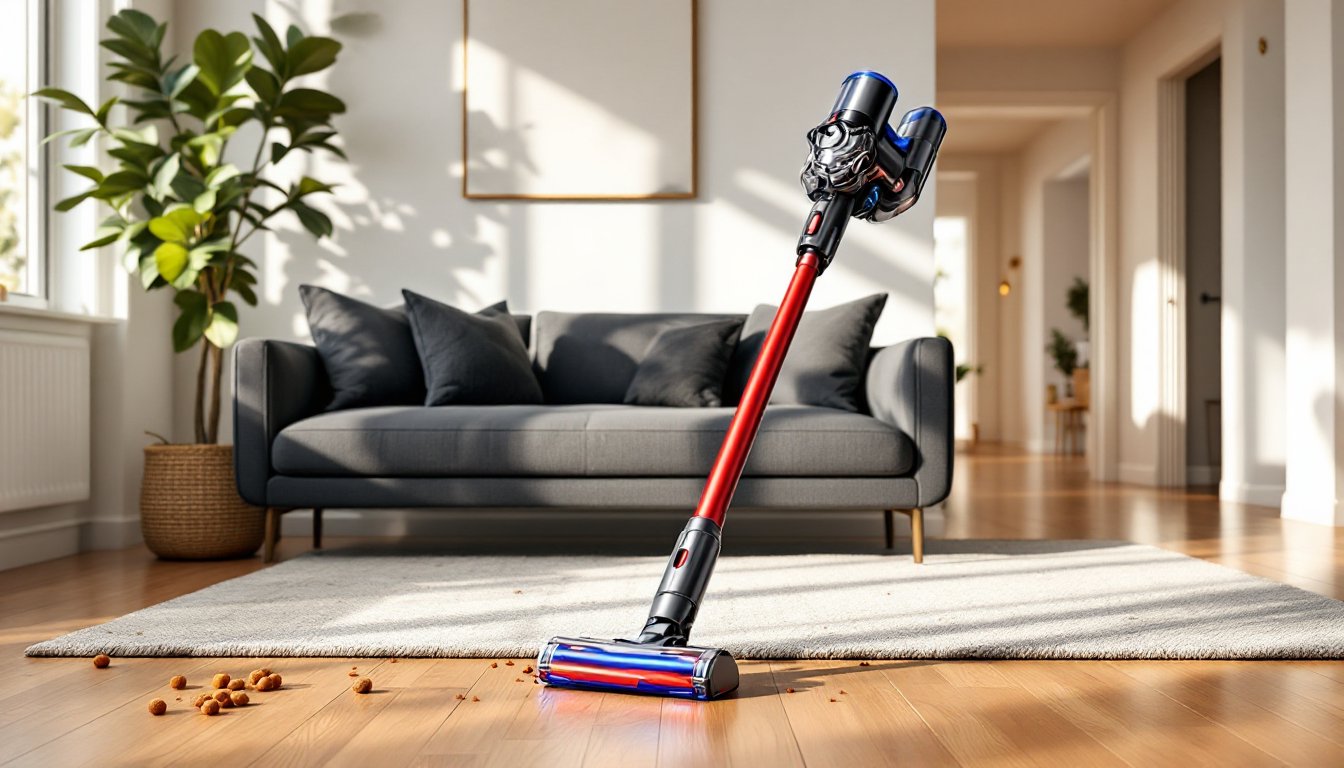
One standout is the MultiFlex wand, which bends mid-handle to reach under furniture without requiring you to crouch or lie on the floor. For anyone cleaning beneath cabinets, low-profile sofas, or workshop benches, this feature saves both time and your lower back. The wand locks into a folded position for compact storage in closets or utility rooms where space runs tight.
Key Features and Technology
The dual-brush roll system combines a soft roller for large debris and a bristle brush for carpet deep-cleaning. This eliminates the need to swap heads constantly between hard floors and rugs. The PowerFins bristles are designed with flexible rubberized fins that dig into carpet pile to pull up embedded dirt and hair without tangling.
Clean Sense IQ uses an infrared sensor positioned in the cleaning head to monitor particle concentration. When it detects higher debris levels, the vacuum increases suction automatically and signals through LED indicators on the handle. This prevents wasted battery power on already-clean areas while ensuring you don’t miss spots that need extra passes. Independent testing by CNET’s product review team confirmed the sensor responds noticeably when transitioning from clean flooring to areas with scattered pet food or sawdust.
The vacuum includes a removable battery that charges separately from the main unit. This means you can purchase a second battery for extended cleaning sessions, useful if you’re maintaining a multi-level home or cleaning up after a large project. Battery life varies with suction mode, but the removable design beats built-in batteries that eventually degrade and render the entire unit unusable.
Performance on Different Flooring Types
On hardwood and laminate, the Stratos excels at picking up fine dust, pet hair, and larger debris in a single pass. The soft roller prevents scratching while the wide cleaning path (approximately 9.5 inches) covers ground quickly. If you’ve just sanded trim or cut lumber indoors, the vacuum handles sawdust effectively on hard surfaces, though you’ll need to empty the bin more often than with household dirt.
Carpet performance depends on pile height. On low-pile and medium-pile carpets, the PowerFins bristles engage well, pulling up ground-in dirt and hair without excessive effort. Testing showed noticeable improvement in high-traffic areas after two passes in Boost mode. But, on thick shag or high-pile rugs, the cleaning head can struggle with suction seal, requiring slower, overlapping passes. The vacuum doesn’t replace a full-size upright for deep quarterly carpet cleaning, but it handles weekly maintenance effectively.
Tile and vinyl flooring present no issues. The vacuum transitions smoothly over grout lines without getting stuck, and the edge-cleaning design pulls debris from baseboards reasonably well. It won’t eliminate the need for occasional baseboard detailing with a brush, but it reduces how often you need to get on your knees with a dustpan.
One limitation: the Stratos isn’t built for wet messes or construction cleanup involving drywall dust or plaster. For post-drywall vacuuming, stick with a shop vac rated for fine particulates. The Stratos filters aren’t designed for that level of dust saturation and will clog quickly, reducing suction and potentially damaging the motor.
Battery Life and Runtime: What to Expect
The Stratos uses a 50.4-volt lithium-ion battery that delivers variable runtime based on suction mode. In Eco mode (lowest suction), expect around 50-55 minutes of continuous use on hard floors with minimal debris. This is enough to clean roughly 1,500-1,800 square feet in a single charge if you’re maintaining already-tidy spaces.
Switching to Auto mode (Clean Sense IQ active) drops runtime to approximately 30-35 minutes depending on how often the sensor triggers higher suction. Real-world testing in homes with pets and typical dirt levels averaged closer to 30 minutes before the battery indicator hit red. If you’re vacuuming a whole house, plan your route to tackle high-traffic areas first.
Boost mode (maximum suction) drains the battery in 12-15 minutes. This mode is best reserved for spot-cleaning embedded dirt in carpets or sucking up debris piles after DIY projects. Don’t plan to clean an entire floor in Boost, it’s a targeted tool, not a default setting.
Charging takes 4-5 hours from fully depleted to full. The battery doesn’t support fast charging, so if you forget to charge after use, you’ll wait most of a workday before it’s ready again. This is where a second battery becomes practical for larger homes or if you vacuum frequently.
Battery degradation is typical for lithium-ion cells. Expect gradual runtime reduction after 300-400 charge cycles (roughly 1-2 years of regular use). The removable design means you can replace just the battery rather than scrapping the entire vacuum, which extends the product’s usable life and reduces long-term cost.
Maintenance and Care Tips for Longevity
Empty the dustbin after every use or when it reaches the max fill line. Overfilling reduces suction efficiency and can cause debris to back up into the cyclone assembly. To empty, hold the bin over a trash can, press the bottom latch, and tap gently to dislodge compacted hair or dust. Rinse the bin with warm water monthly and let it air-dry completely before reinstalling, trapped moisture can promote mold growth or damage electronics.
The pre-motor filter and post-motor HEPA filter require cleaning every month with moderate use. Tap both filters over a trash can to remove loose dust, then rinse under cold water until the water runs clear. Squeeze gently (don’t wring) and air-dry for at least 24 hours. Running the vacuum with damp filters will reduce suction and may damage the motor. Replace filters annually or when they show signs of tearing or permanent discoloration.
Inspect the brush roll weekly if you have pets or long hair in the household. Hair wraps around the roller and PowerFins, reducing cleaning effectiveness. Shark includes a small tool for cutting away tangled hair, or use scissors carefully to avoid damaging the bristles. Remove the brush roll by releasing the side clips, no screwdriver needed. Wipe the roller housing with a damp cloth to remove built-up gunk.
Check the MultiFlex wand hinge and attachments for cracks or looseness every few months. The hinge joint sees significant stress during use, especially if you’re frequently folding and unfolding the wand. Tighten any loose screws with a Phillips-head screwdriver. If plastic components crack, contact Shark’s support, warranty typically covers defects for up to five years depending on purchase date.
Store the vacuum in a climate-controlled space. Extreme heat or cold can degrade the battery faster. If you won’t use the vacuum for an extended period, charge the battery to around 50% and remove it from the unit. This storage practice extends lithium-ion cell life.
Is the Shark Stratos Worth It for Your Home?
The Shark Stratos makes sense for homeowners with mixed flooring (hardwood, tile, and low- to medium-pile carpet) who want a single tool that adapts automatically. If your household includes pets that shed or kids who scatter crumbs, the Clean Sense IQ feature saves guesswork and battery life by ramping suction only where needed. According to Good Housekeeping’s expert testing, the Stratos ranked highly for pet hair pickup and ease of use among cordless stick models.
It’s also a solid choice for anyone with mobility limitations or those who clean multiple levels. The cordless design eliminates outlet-hunting on stairs, and the MultiFlex wand reduces bending. But, at 9.2 pounds, it’s not the lightest option if arm strength is a concern, consider trying one in-store before committing.
The Stratos is not ideal for homes with predominantly high-pile carpet or shag rugs. You’ll get better results from a traditional upright with a motorized beater bar designed for deep pile. It’s also overkill if you live in a small apartment with minimal square footage, a simpler, lighter cordless stick will cost less and handle the job.
DIYers and workshop owners should note this isn’t a substitute for a shop vac. For cleaning up after cutting, sanding, or drilling, stick with tools designed for construction debris and fine dust. The Stratos handles everyday household dirt and light project cleanup (trimming baseboards indoors, minor touch-up work), but pushing it beyond that use case risks clogging and premature wear.
Pricing varies, but expect to pay in the $300-$400 range depending on sales and retailer. That’s mid-to-upper tier for cordless stick vacuums. Comparable models from Dyson often cost $100-$200 more for similar features, making the Stratos competitive. Budget brands offer cordless sticks for under $200, but they typically lack automatic suction adjustment and have shorter battery life. For hands-on DIY enthusiasts familiar with workshop tools and project demands, the Stratos fits as a reliable household counterpart to heavier-duty shop equipment.
Conclusion
The Shark Stratos cordless vacuum delivers solid all-around performance for mixed-flooring homes without requiring constant manual adjustments. Clean Sense IQ works as advertised, battery life holds up under typical use, and maintenance stays straightforward if you stick to the schedule. It won’t replace specialized tools for heavy-duty tasks, but as a daily driver for keeping floors clean between projects, it earns its spot in the utility closet.